Blog
Delhi’s Islamic Heritage: A Halal-Friendly Journey Through the Mughal City
Welcome to our Delhi Islamic heritage tour guide — prepare for an extraordinary journey through the heart of India’s capital, where the echoes of Indo-Islamic heritage create a mesmerizing symphony of history and spirituality. Delhi, a city built, destroyed, and rebuilt over centuries, extends an exclusive invitation to Halal-friendly travelers to uncover its historical treasures, from the era of the Delhi Sultanate to the opulent Mughal capital.
Why Delhi Is a Premier Halal-Friendly Destination
Delhi is a dream for Halal-friendly travelers seeking deep cultural and spiritual experiences. The city offers:
Rich Islamic History: a legacy spanning from the 12th-century Delhi Sultanate to the mighty Mughal Empire
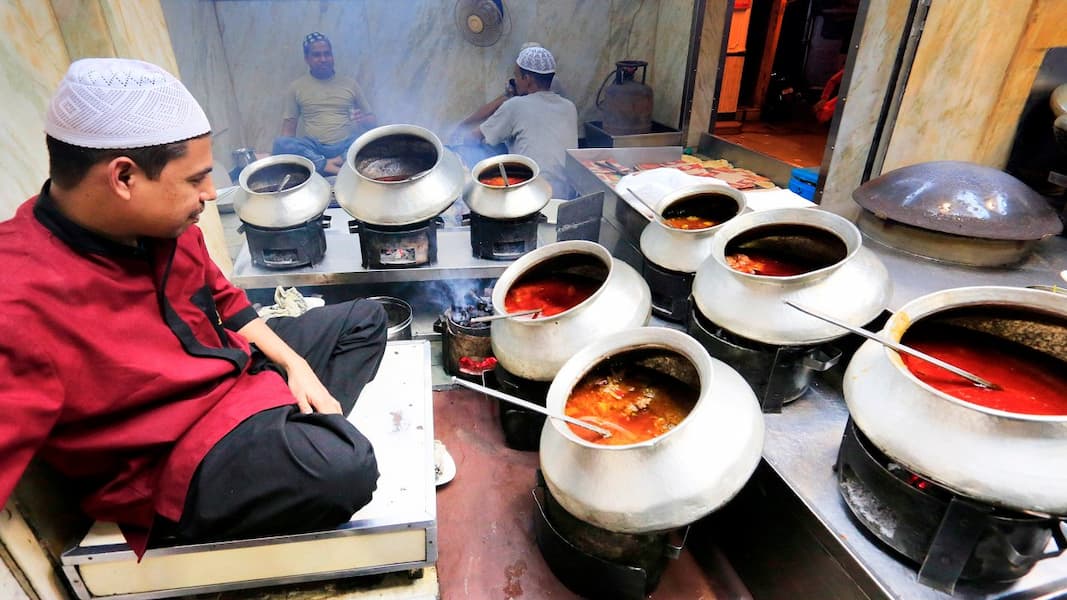
Abundance of Halal Food: from street food in Chandni Chowk to fine dining, halal food is ubiquitous — savor authentic Mughlai cuisine like biryani, kebabs, and nihari
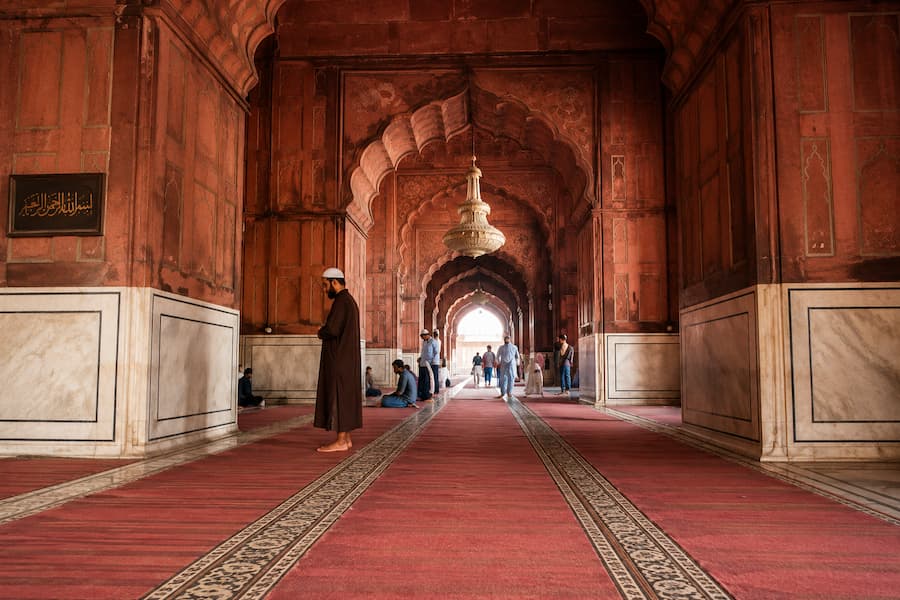
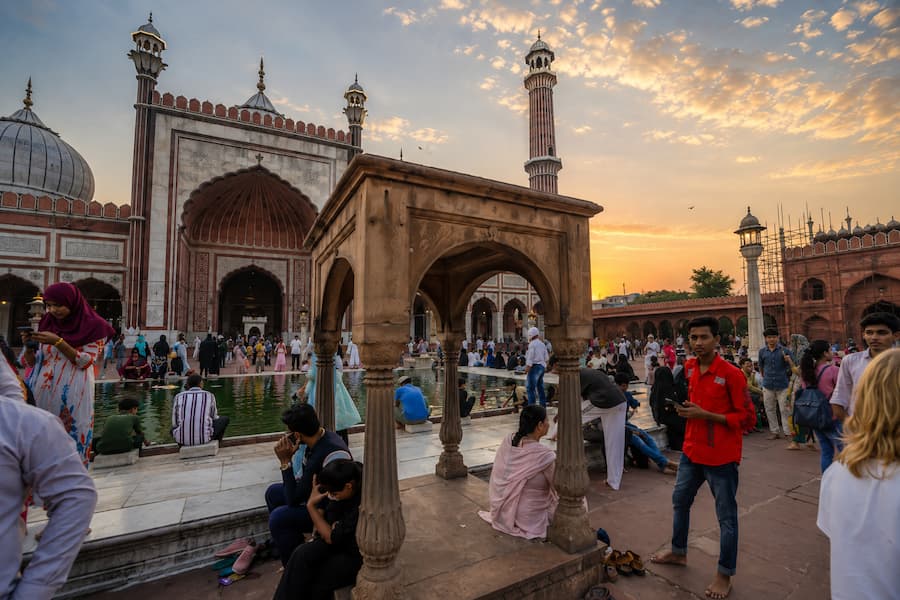
Prayer Facilities: numerous historical mosques, including the majestic Jama Masjid, provide serene spaces for prayer throughout the day
Spiritual Sanctuaries: find peace at revered Sufi shrines like the Dargah of Hazrat Nizamuddin Auliya
Shahjahanabad: The Walled City of Old Delhi
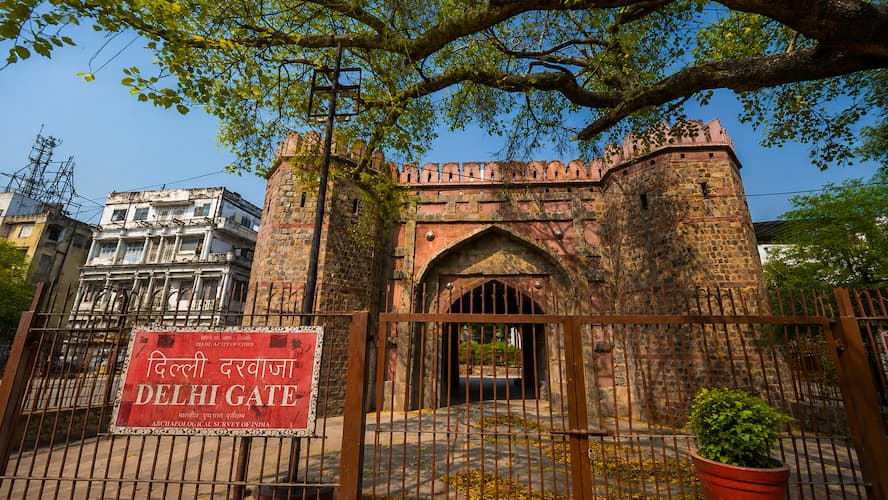
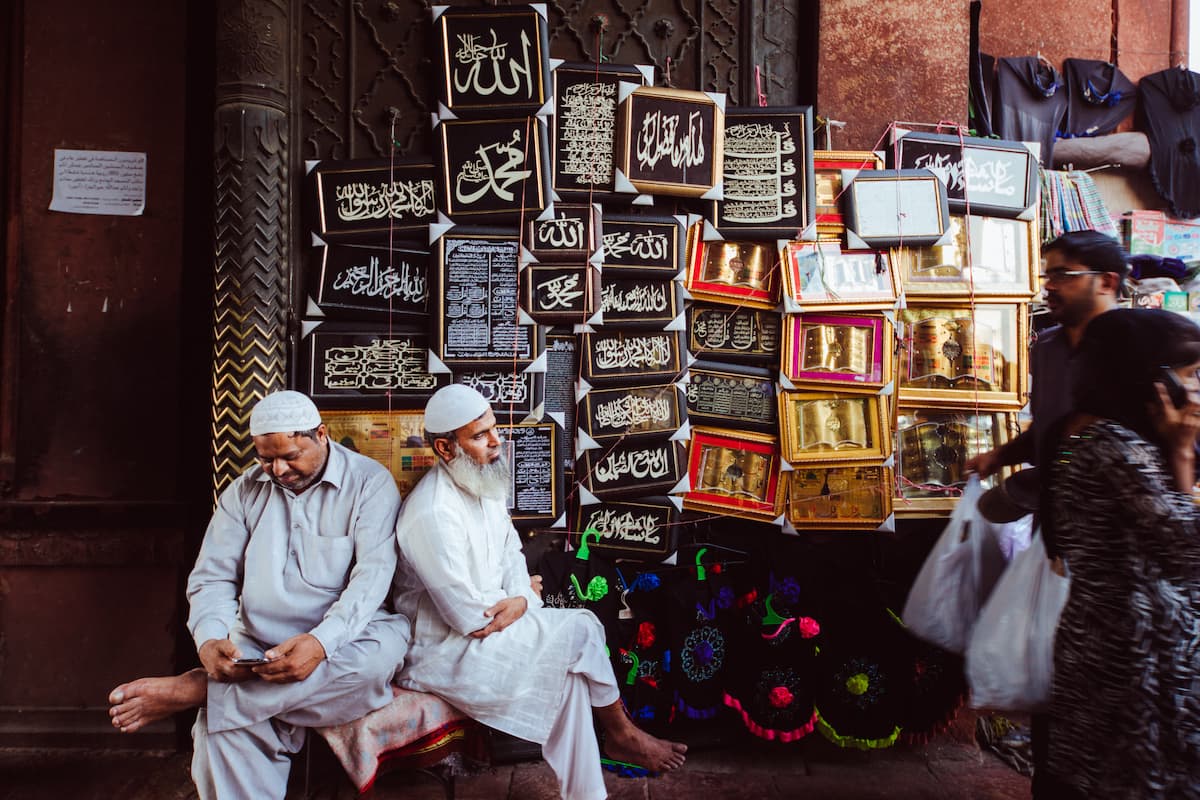
Shahjahanabad, the historic walled city we know today as Old Delhi, was founded by Emperor Shah Jahan in 1638 when he moved the Mughal capital from Agra. Enclosed by massive walls with 14 grand gates — including the still-standing Kashmiri Gate and Ajmeri Gate — this planned city was designed around the Red Fort and Jama Masjid as its twin anchors of imperial and religious authority. Its narrow, labyrinthine lanes, once home to poets, scholars, and craftsmen, remain remarkably intact today, offering visitors a genuine walk through nearly 400 years of layered Mughal, colonial, and post-independence history. Wandering Shahjahanabad’s alleys — past centuries-old havelis, wholesale markets, and hidden mosques — is one of the most immersive ways to experience Delhi’s Indo-Islamic character firsthand.
Mughal Majesty in Old Delhi
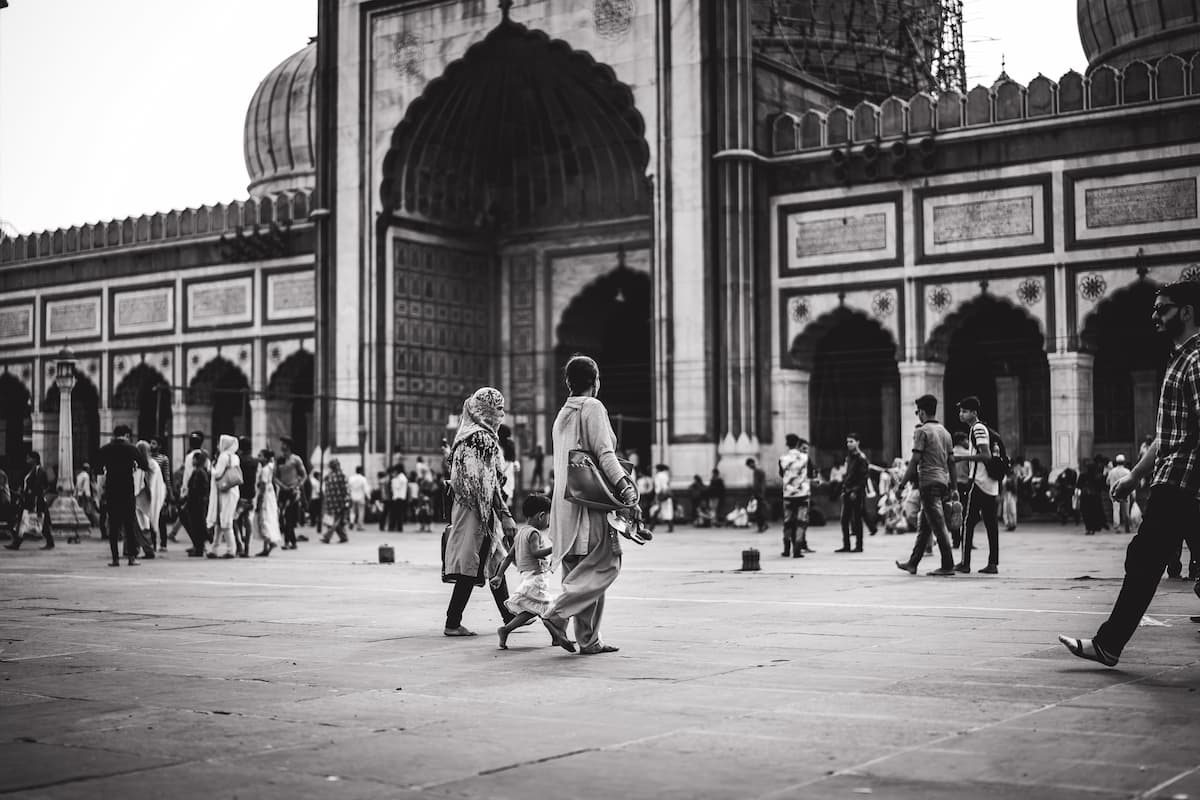
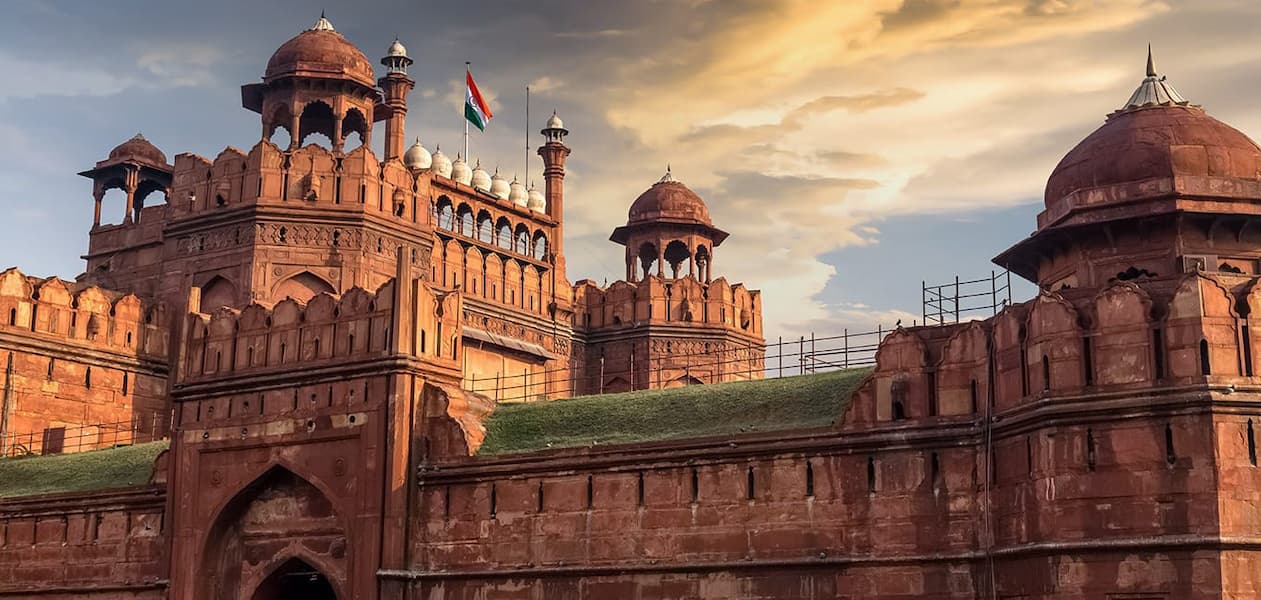
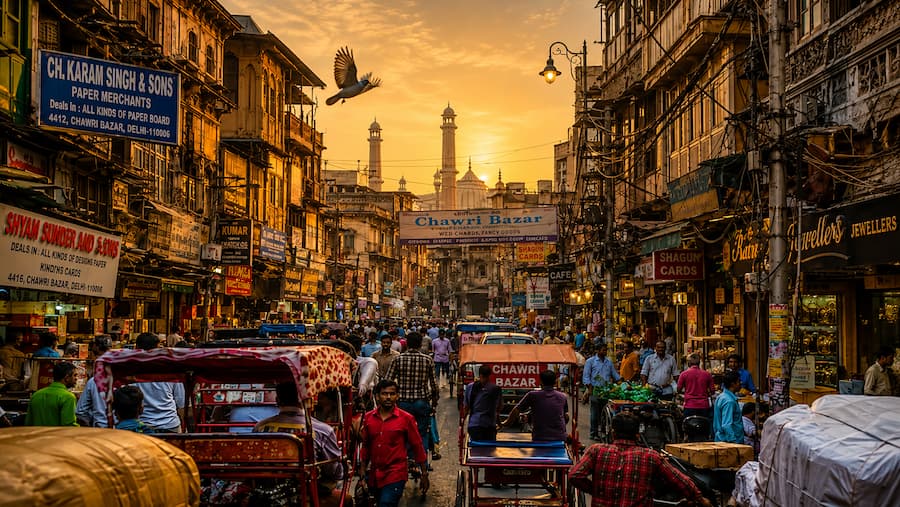
Red Fort (Lal Qila), a UNESCO World Heritage Site built by Emperor Shah Jahan, is a stunning example of Mughal grandeur — walk through its grand gates and imagine the opulence of the imperial court. Jama Masjid, one of India’s largest mosques, offers breathtaking views of Old Delhi and a profound sense of peace. Nearby, Chandni Chowk and Kinari Bazaar deliver the chaos and charm of Old Delhi’s markets, a sensory overload of spices, textiles, and famous food stalls.
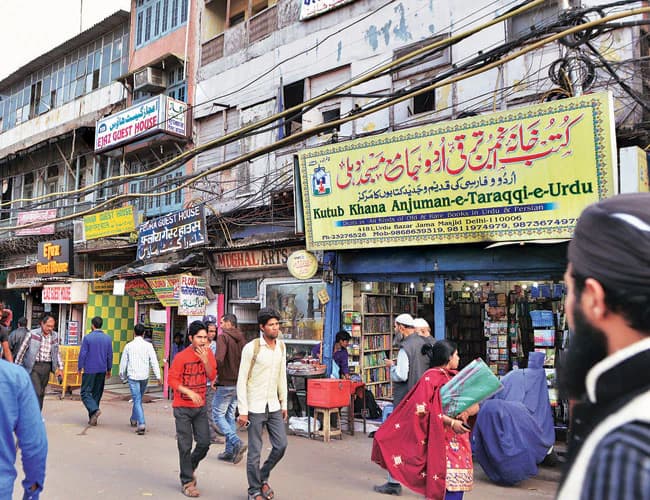
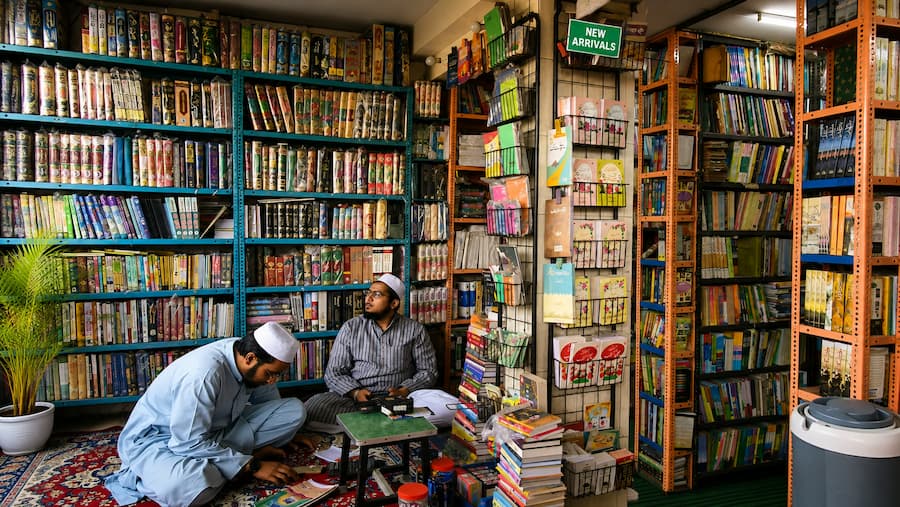
Qutubkhana: Old Delhi’s Literary Legacy
Nestled within Old Delhi, Qutubkhana refers to the neighborhood historically associated with book publishing and Urdu literary culture, home to some of the city’s oldest printing presses and bookstores. For centuries, this area has quietly preserved Urdu manuscripts, poetry collections, and rare texts, serving as a living link to Delhi’s rich tradition of scholarship and literature that flourished under Mughal patronage. A visit here offers a quieter, more intellectual counterpoint to the bustling markets of Chandni Chowk — a chance to see how Delhi’s Islamic cultural heritage lives on not just in monuments, but in ink and paper.
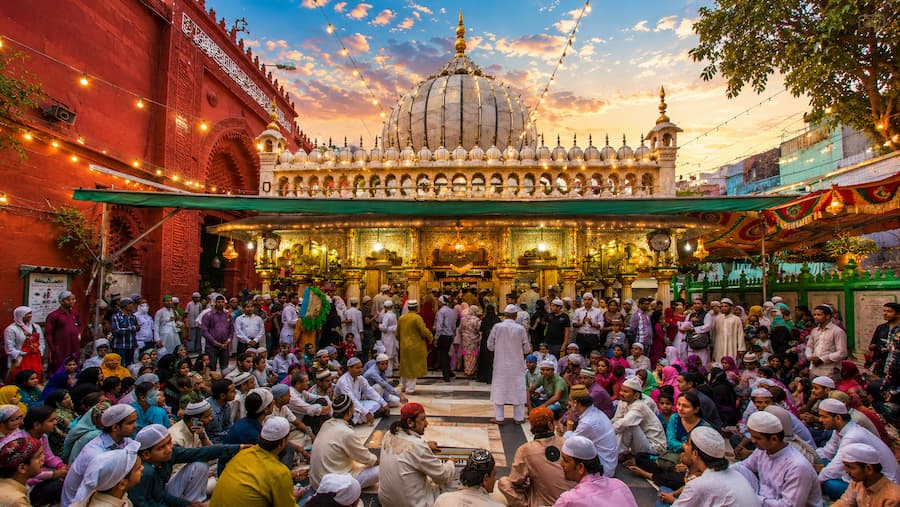
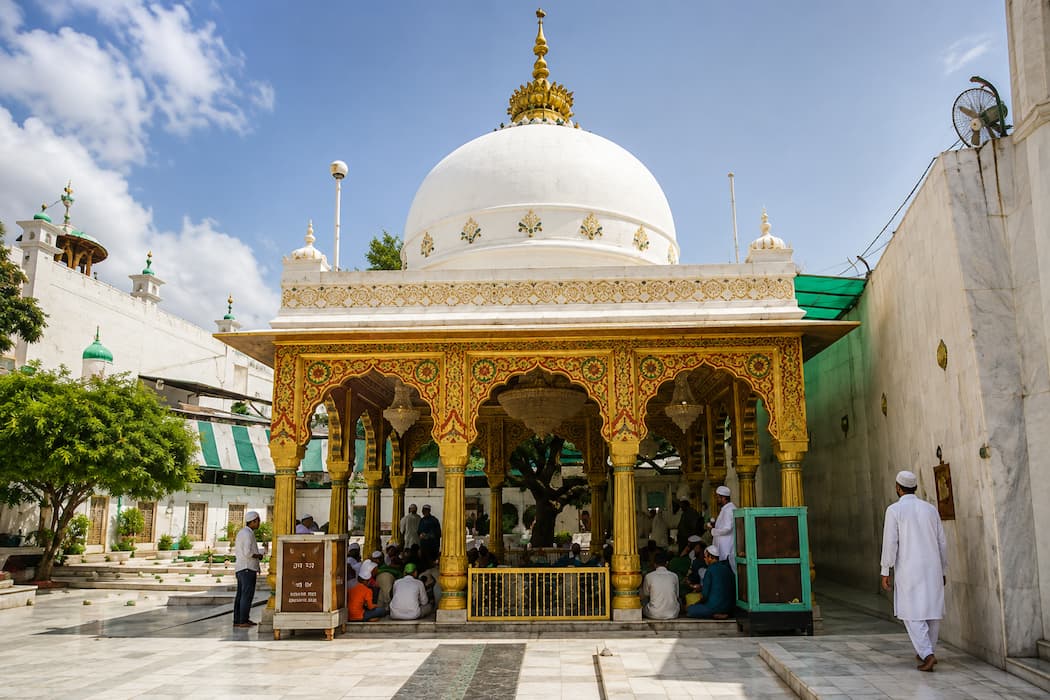
Spiritual Heart: The Sufi Shrines of Delhi
Delhi’s soul resides in its Sufi dargahs, where qawwali music fills the air and spirituality is palpable. The Dargah of Hazrat Nizamuddin Auliya, shrine of the beloved 13th-century Sufi saint, remains the city’s most visited spiritual site — visit on a Thursday evening to experience powerful qawwali sessions that have continued unbroken for centuries. Nearby rests Hazrat Khwaja Qutbuddin Bakhtiyar Kaki, whose devoted disciple, Iltutmish, would go on to build the Qutub Minar complex in his honor, cementing the saint’s lasting imprint on Delhi’s most iconic monument. The lineage continues with Hazrat Khwaja Nasiruddin Mahmood, known reverently as “Chirag-e-Dehli” (“The Lamp of Delhi”) — a direct spiritual successor of Nizamuddin Auliya, whose own dargah in south Delhi remains an important pilgrimage site for followers of the Chishti order. Completing this spiritual circle is the Tomb of Hazrat Ameer Khusrau, the legendary 13th–14th century poet, musician, and Islamic scholar, and Nizamuddin Auliya’s most devoted disciple — credited with pioneering the Qawwali musical tradition that still echoes through Delhi’s dargahs today.
Mirza Ghalib Haveli: A Poet’s Legacy
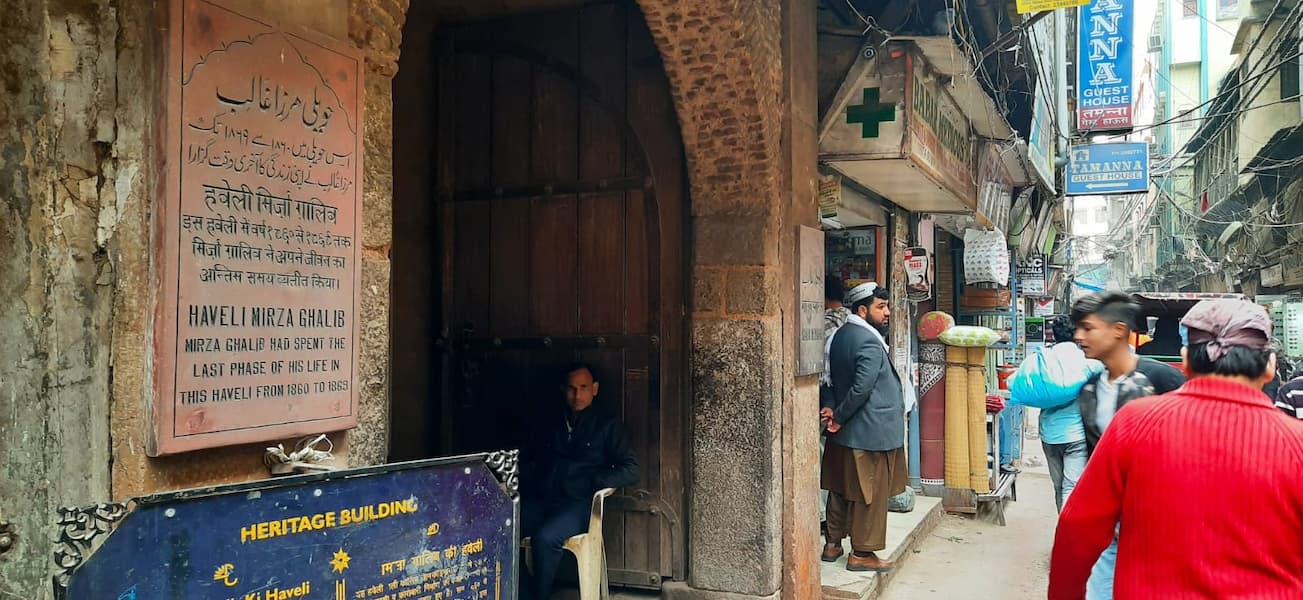
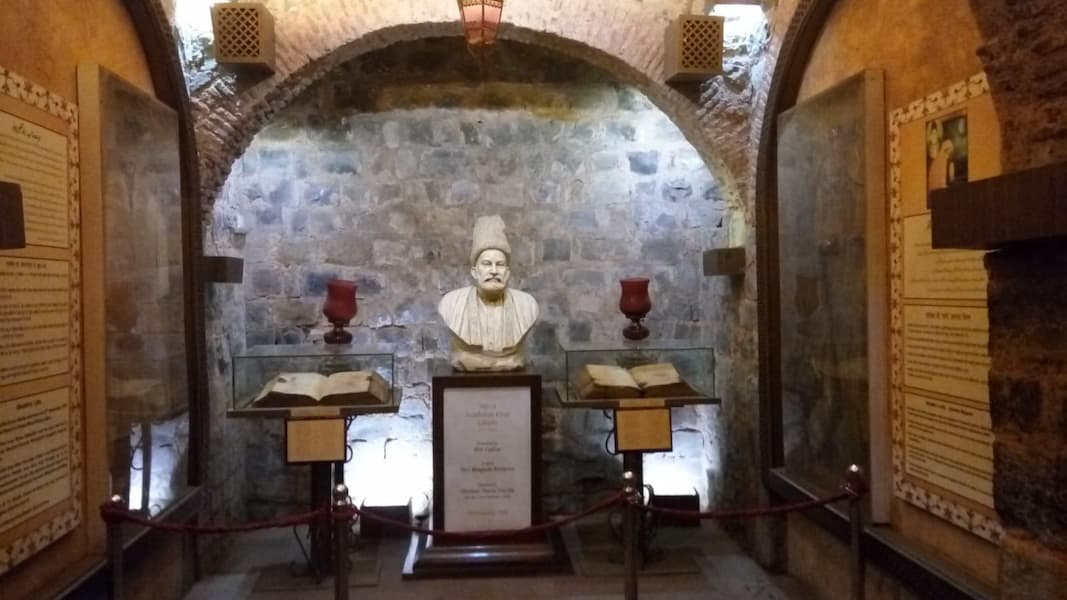
In the Ballimaran area of Old Delhi, on the historic Qasim Jan Street, stands Haveli Mirza Ghalib — the preserved home of Mirza Ghalib, widely regarded as one of the greatest Urdu and Persian poets of the Mughal era. Now converted into a small museum, the haveli offers an intimate glimpse into the poet’s life, complete with period furnishings, manuscripts, and portraits, honoring a literary legacy that continues to shape Urdu poetry to this day.
UNESCO World Heritage Trilogy
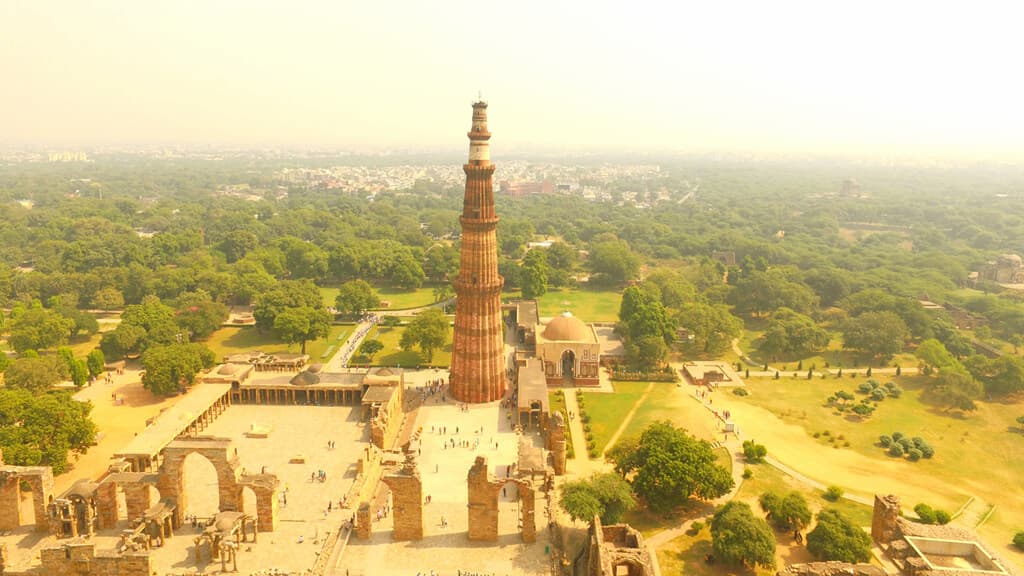
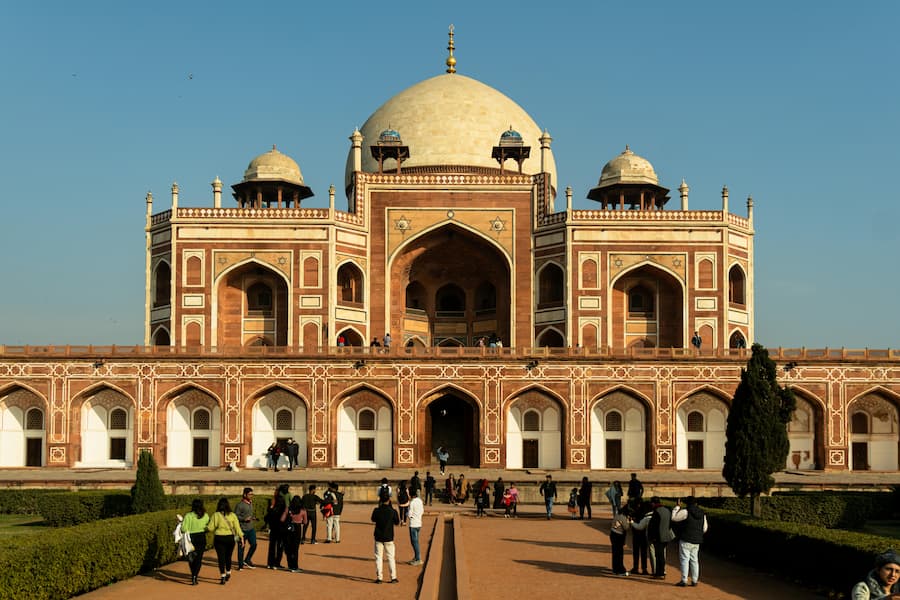
Delhi holds a remarkable trio of UNESCO World Heritage Sites tied to its Islamic legacy: the Qutub Minar Complex, home to the tallest brick minaret in the world and a symbol of the dawn of Islamic architecture in India; Humayun’s Tomb, a precursor to the Taj Mahal and a masterpiece of Mughal garden-tomb architecture; and the Red Fort itself, whose UNESCO status underscores its global significance.
Lodhi Garden
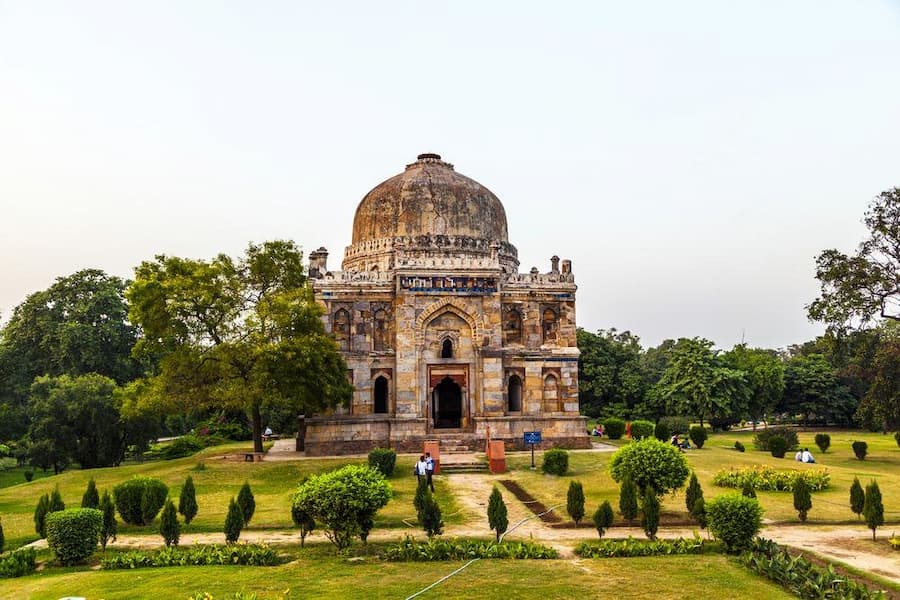
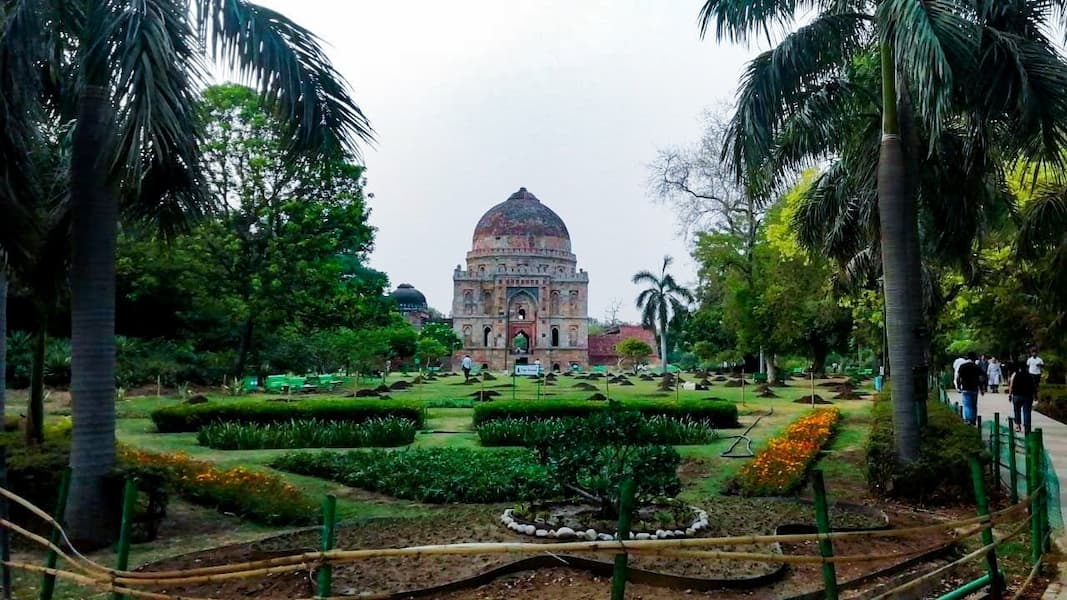
A peaceful escape from Old Delhi’s bustle, Lodhi Garden is home to a remarkable collection of 15th- and 16th-century tombs and monuments from the Sayyid and Lodi dynasties — including the Sheesh Gumbad, Bara Gumbad, and the tomb of Sikandar Lodi himself. Set within landscaped gardens, this UNESCO-recognized heritage site blends history with tranquility, making it a popular spot for both heritage enthusiasts and locals seeking a quiet morning walk.
Safdarjung Tomb
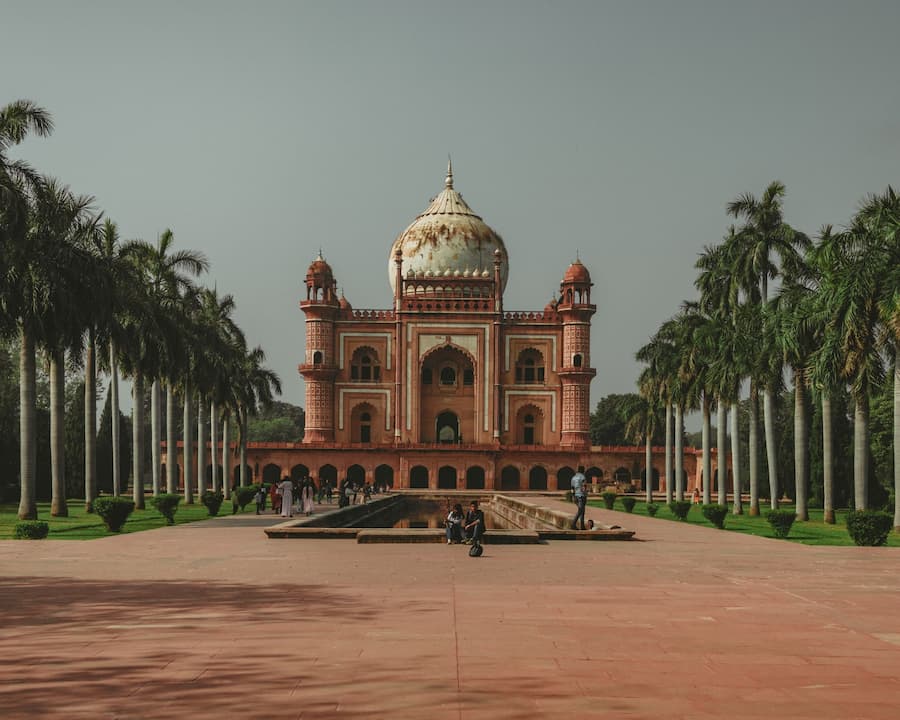
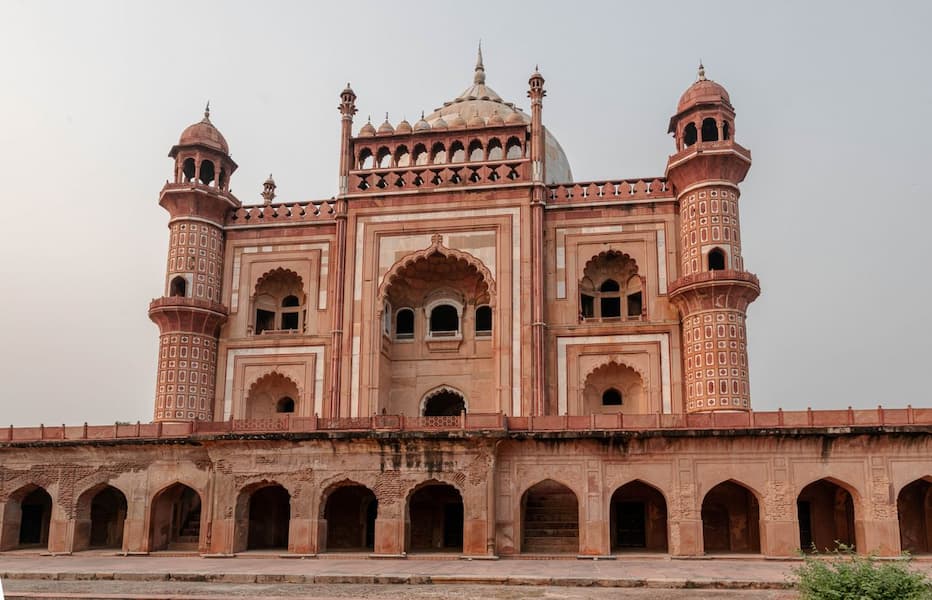
Built in 1754 as a tribute to Nawab Safdarjung, a powerful statesman of the late Mughal era, Safdarjung Tomb is often regarded as the last flourish of Mughal garden-tomb architecture in Delhi. Set within a classic char-bagh garden layout, the mausoleum’s marble-and-sandstone design echoes the grandeur of Humayun’s Tomb a century earlier, marking the twilight of an architectural tradition that had defined the Mughal capital for generations.
A Halal Food Lover’s Paradise in Old Delhi
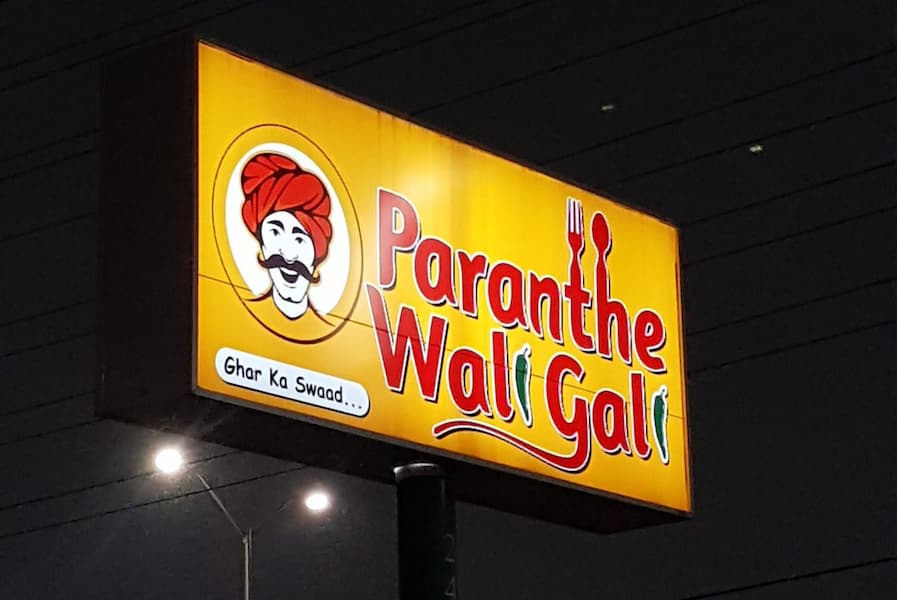
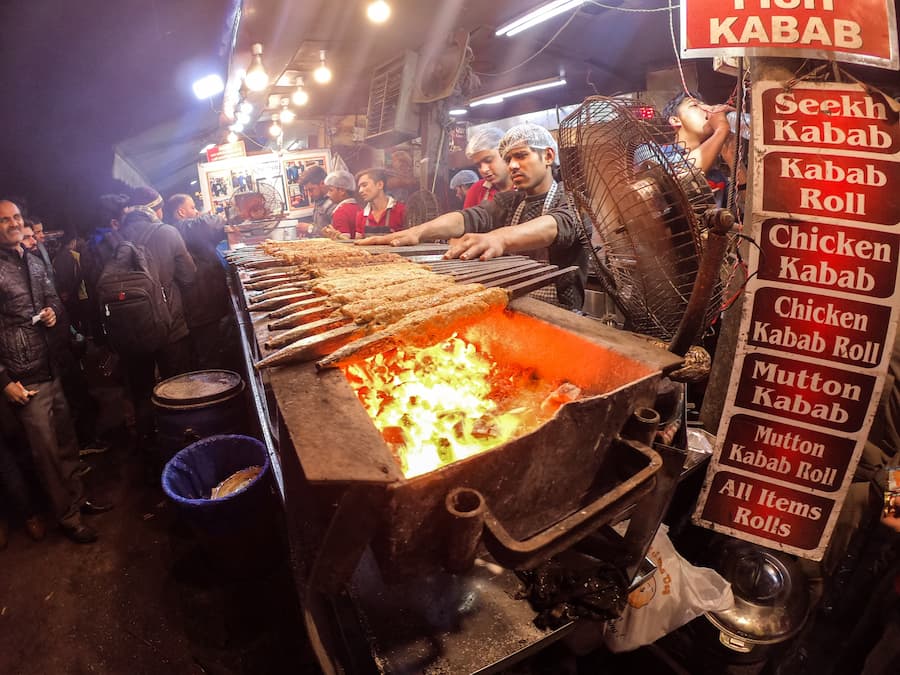
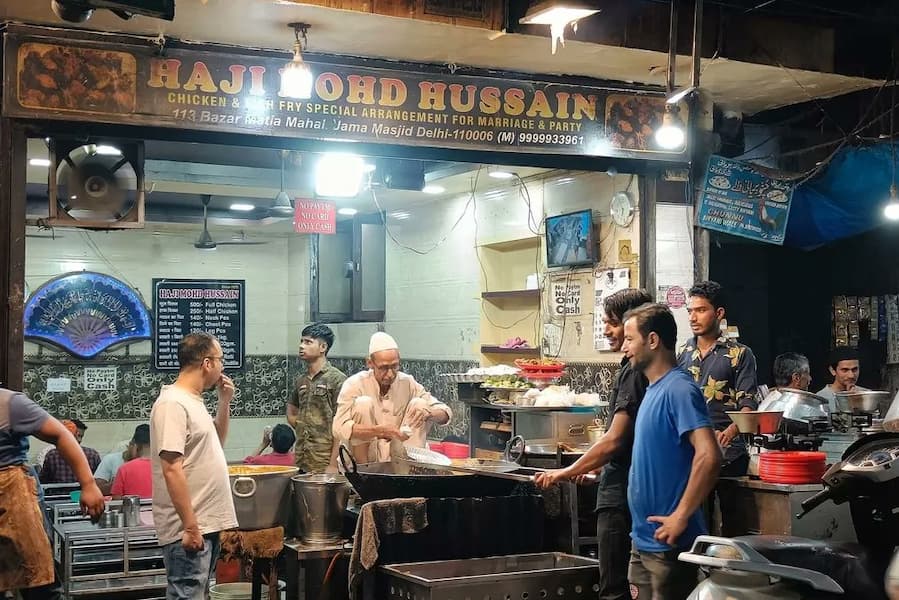
Your Delhi Islamic heritage tour is incomplete without a culinary pilgrimage through Old Delhi, one of India’s most celebrated destinations for halal-certified Mughlai cuisine. Indulge in rich, slow-cooked delicacies at historic establishments serving butter chicken, seekh and shami kebabs, and the legendary nihari — a fragrant, tender meat stew simmered overnight, a Muslim culinary tradition passed down for generations. Then navigate the bustling lanes of Chandni Chowk for iconic street food treats like crispy jalebi, tangy chaat, and the famous stuffed parathas at the century-old Paranthe Wali Gali, where each shop specializes in its own unique filling. Along the way, don’t miss the aromatic biryani stalls and kebab corners that have made Old Delhi a genuine food lover’s paradise for Muslim travelers.
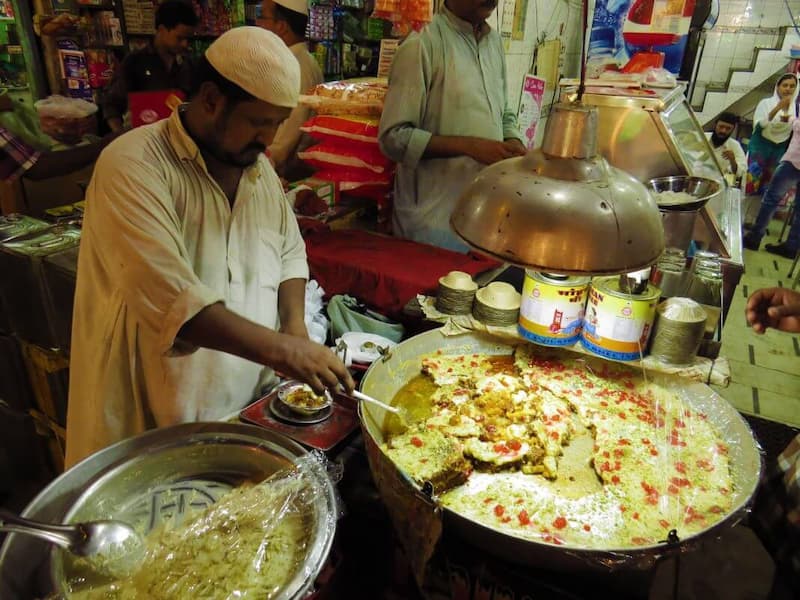
Conclude your meals with traditional desserts that capture the sweetness of Mughal-era hospitality — creamy phirni served in earthen clay pots, the rich, ghee-laden sohan halwa, and the refreshing rabri-topped faluda, a perfect way to end a day of exploring Delhi’s halal-friendly food scene.
Practical Information for Muslim Travelers
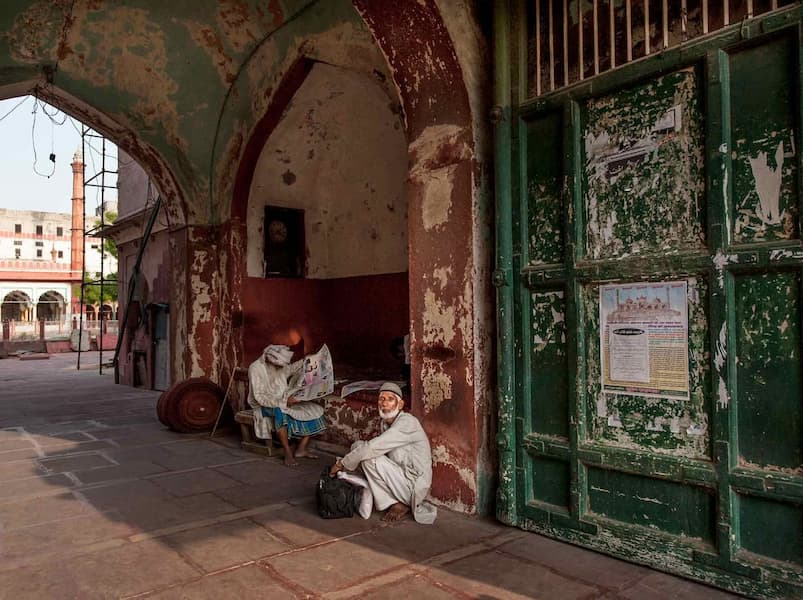
Major mosques like Jama Masjid and Fatehpuri Masjid, along with many others throughout the city, are open for prayers, with the serene atmosphere of mosque and shrine complexes also offering space for quiet reflection. Dress modestly, especially when visiting religious sites — scarves are recommended for women — and remember to remove your shoes before entering dargahs and mosques.
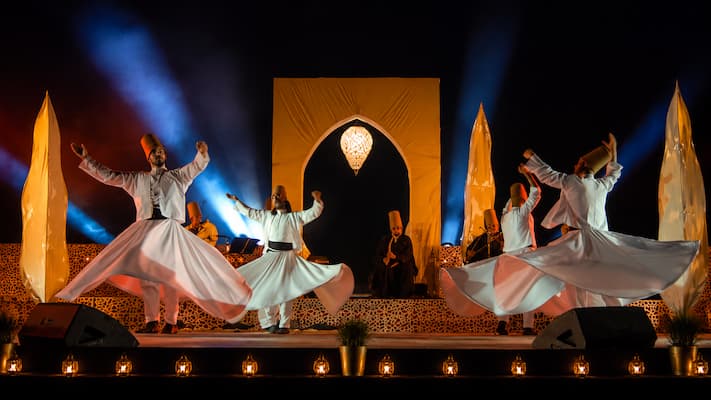
Immersive Cultural Experiences
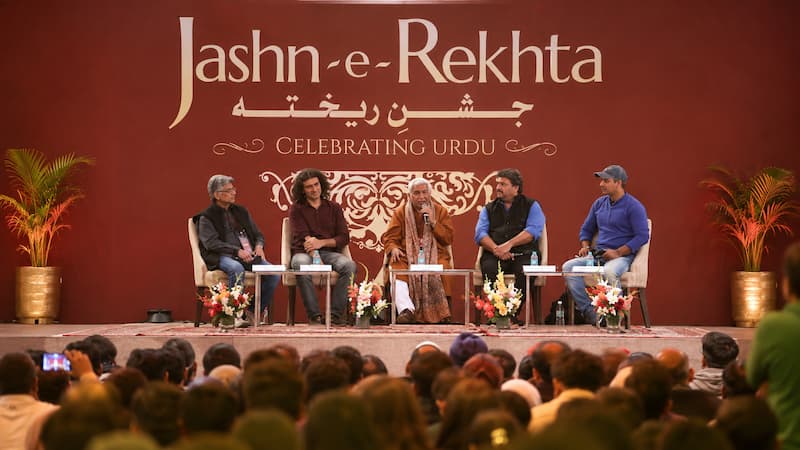
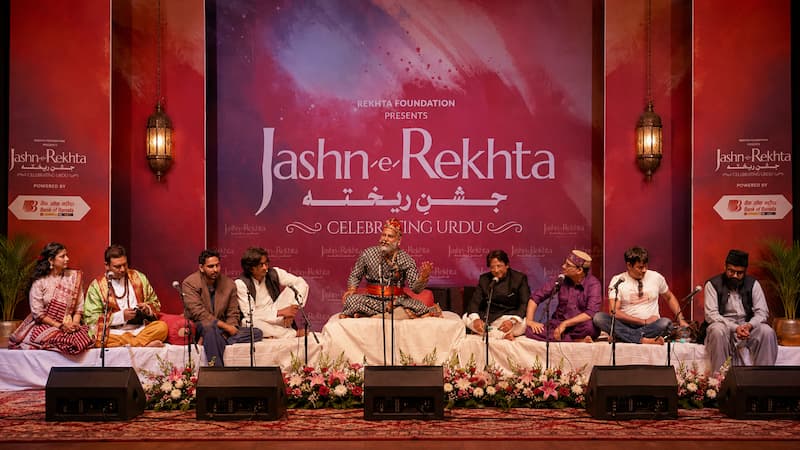
If your trip coincides, experience Jashn-e-Rekhta, the world’s largest Urdu literary festival, or Jahan-e-Khusrau, an annual Sufi music festival celebrating the poet Ameer Khusrau. For a deeper dive into the city’s layered history, take a guided heritage walk through the walled city of Shahjahanabad to appreciate its Islamic cultural heritage and architecture firsthand.
Frequently Asked Questions
Is it easy to find halal food in Delhi?
Absolutely — Delhi is one of the best cities in India for halal food, with the Old Delhi area in particular offering countless options.
What is the best way to explore Old Delhi?
The narrow lanes of Chandni Chowk and Kinari Bazaar are best explored on foot or by rickshaw; a guided tour is recommended to navigate the chaos and discover hidden gems.
Are these sites suitable for families?
Yes — Delhi’s heritage sites are perfect for family-friendly holidays, with the open spaces of Humayun’s Tomb and the Red Fort ideal for children to explore.
What is the best time to visit Delhi?
October to March offers the most pleasant weather for sightseeing.
Discover more of Delhi’s rich heritage with Halal Trip India — explore the nearby Qutub Minar Complex and Humayun’s Tomb in greater depth, discover the pan-India story in our Islamic Heritage of India guide, or dive deeper into Delhi’s Sufi legacy with our History of Sufism in India. Ready to experience Delhi’s Islamic heritage for yourself? Explore our full destination guide and start planning your next Muslim-friendly journey across India.