
Blog
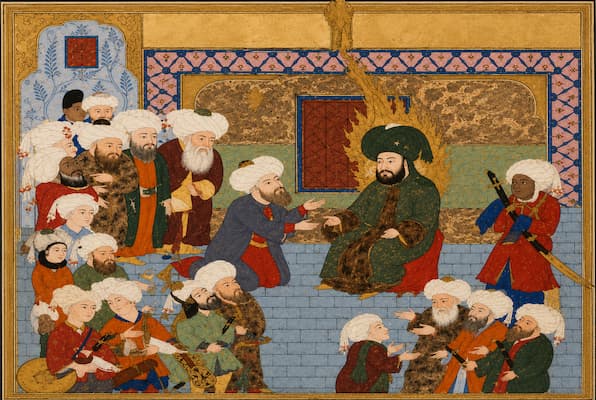
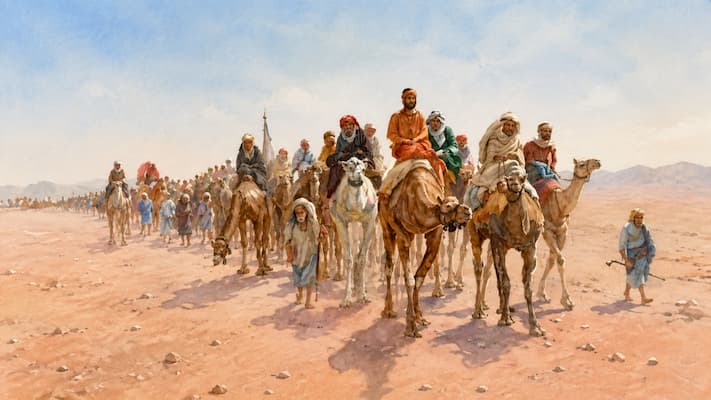

Explore the profound history of Sufism. Journey from its origins to major Sufi orders in India. Discover Islamic heritage and Ziyarat tours with Halal Trip India.
Sufism in the Early Age of Islam
Also known as Tasawwuf, Sufism is the mystical and spiritual dimension of Islam. It is centered on the inner purification of the soul (nafs) and the direct experiential knowledge (ma’rifah) of the Divine. Sufism is not a separate sect but a deeply rooted spiritual path within Islam — one that emphasizes divine love, humility, introspection, self-discipline, and closeness to God.
According to recorded Islamic and Sufi historical sources, Sufism began to emerge during the early period of Islam, particularly in the 7th–8th centuries. At that stage, Sufism was not institutionalized as we recognize it today. Rather, it existed as a moral and ascetic movement focused on cultivating inner spirituality and ethical refinement. Its teachings were transmitted informally — often orally — through personal relationships between early mystics and their followers.
The foundational ethos of Sufism was laid by early Muslim ascetics and spiritual thinkers who renounced material excess, practiced simplicity, and dedicated themselves to an unyielding surrender to the Divine will. They shifted the religious focus from fear-based worship to love-based devotion, emphasized compassion for all of humanity, and aspired toward moral excellence (akhlaq). These early pioneers sowed the seeds of a spiritual tradition that would, over centuries, blossom into the vast and deeply influential phenomenon we now know as Sufism.
During the 7th–8th century CE, the spiritual leaders and scholars who promoted this path of inner transformation were primarily concentrated in specific regions of the Islamic world — parts of the Arabian Peninsula, as well as spiritual centers such as Basra and Kufa in present-day Iraq, along with select areas in modern-day Iran, Yemen, and Syria. Though these early figures were not formally referred to as “Sufis” in the modern sense, their ascetic practices, spiritual insights, and deep devotion to God laid the intellectual and moral foundations for what would eventually become organized Sufi paths or brotherhoods.
Foundational Figures of Sufism (7th–8th Century CE)
-
Hazrat Hasan al-Basri (642–728)
-
Hazrat Rabia al-Adawiyya (716–801): Introduced the concept of divine love (Ishq-e-Haqiqi), worshipping not out of fear or desire, but pure love for God.
-
Hazrat Ibrahim ibn Adham and others: Practiced intense spiritual discipline and detachment.
Centers of Early Sufi Thought
Cities such as Basra, Kufa (in Iraq), Damascus, and later Baghdad became hubs of Sufi intellectual and spiritual activity. Transmission was primarily oral, through personal relationships between spiritual masters and disciples (murids). By the 9th–10th centuries, this gradually evolved into formalized paths (tariqas) with structured doctrines, spiritual lineages, and institutional centers (khanqahs and zawiyas).
The Golden Age of Sufism (9th–17th Century)
The period between the 9th and 17th centuries CE marked the golden age of Sufism — a transformative era when Sufi thought, spiritual practices, and organized brotherhoods spread widely across the world, shaping civilizations, cultures, and spiritual landscapes. During this time, Sufism evolved from an ascetic, localized movement into a powerful, globally resonant spiritual tradition, embracing profound theological insights and structured mystical lineages championed by spiritually luminous leaders.
This era witnessed Sufism emerging not only as a path to inner enlightenment but also as a catalyst for intercultural exchange and civilizational harmony. Sufi culture and traditions emerged as a dynamic bridge — uniting Muslim and non-Muslim communities, harmonizing diverse civilizations including Arab, Persian, Turkic, European, African, Central Asian, Chinese, and Indian cultures. It played a pivotal role in establishing a vast Islamic cultural heritage encompassing architecture, poetry, education, music, philosophy, and moral conduct.
The Arab World
(Modern regions: Saudi Arabia, Syria, Lebanon, Jordan, Palestine, Israel, Iraq, the Hejaz, Egypt, and North Africa)
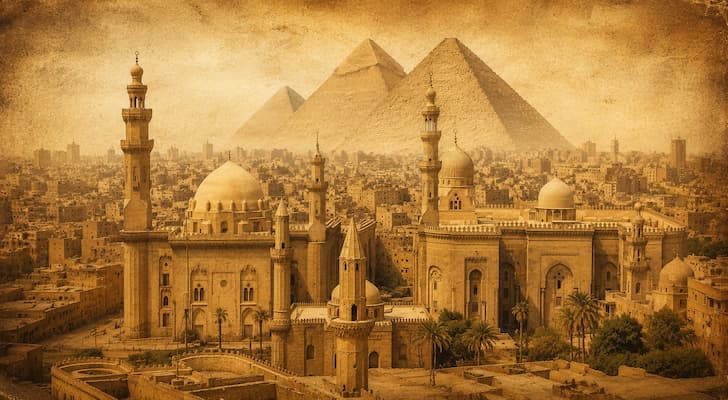
Key Sufi orders included the Qadiri, Rifai, Shadhili, Suhrawardi, and Khalwati. Major spiritual and educational centers were established in Baghdad, Cairo, Damascus, Mecca, and Medina, including foundational figures like Hazrat Abdul Qadir al-Jilani (founder of the Qadiri Order), Hazrat Ahmad al-Rifai (founder of the Rifai Order), and Hazrat Abu’l Hasan al-Shadhili (founder of the Shadhili Order). This era saw the establishment of Sufi lodges and khanqahs as vibrant centers of spiritual instruction, hospitality, education, and social welfare, along with the flourishing of classical Islamic arts and literature.
Persia (Modern Iran)
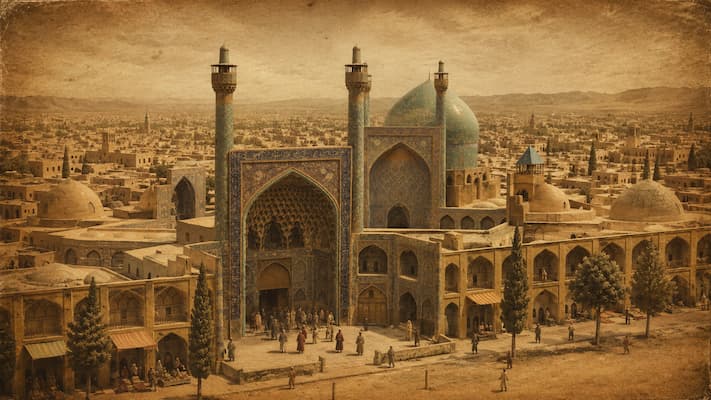
Persia became one of the most fertile grounds for the flourishing of Sufism, producing profound mystical thought and rich literary traditions, including the Suhrawardi, Kubrawiyya, and Nimatullahi orders. Persia produced some of the greatest mystical poets in Islamic history — Hafiz, Attar, and Sa’di — whose poetry deeply influenced the spiritual imagination of the Muslim world. Spiritual and educational centers flourished in Nishapur, Shiraz, Yazd, and Isfahan.
Anatolia (Modern Turkey)
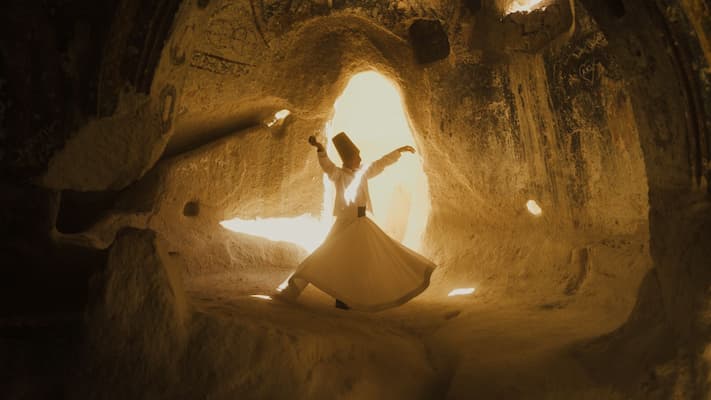
Sufism in Turkey traces its roots to the 11th century, flourishing during the Seljuk and Ottoman eras. The most influential figure was the 13th-century mystic Jalaluddin Rumi, whose Mevlevi Order (Whirling Dervishes) played a central role in this development. Sufi orders such as the Mevlevi, Bektashi, Halveti, Bayrami, and Naqshbandi flourished under state patronage.
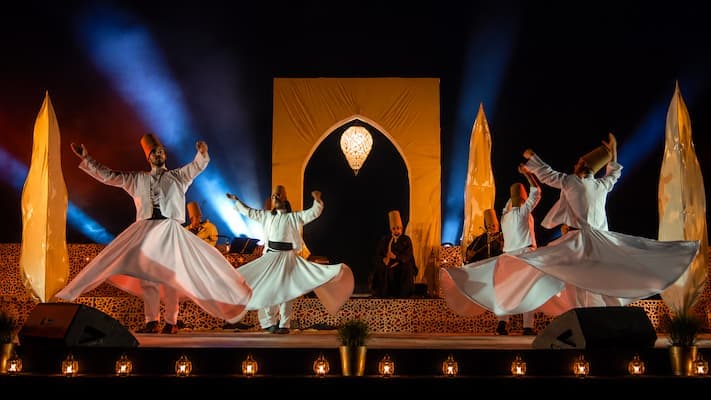
Rumi stands among the most profound and universally revered Sufi mystics, poets, and spiritual philosophers in human history. His poetry, composed primarily in Persian, delves into the eternal themes of divine love, spiritual union, inner transformation, and the soul’s timeless journey toward the Beloved. The Sacred Sama Ceremony — Şeb-i Arus — traces its origins to the 13th century and commemorates the Urs of Rumi, culminating in the renowned Whirling Dervishes. UNESCO officially designated the Mevlevi Sama Ceremony as one of the Masterpieces of the Oral and Intangible Heritage of Humanity.

Central Asia
(Regions: Modern-day Uzbekistan, Tajikistan, Turkmenistan, Kazakhstan, Kyrgyzstan, and parts of Afghanistan)
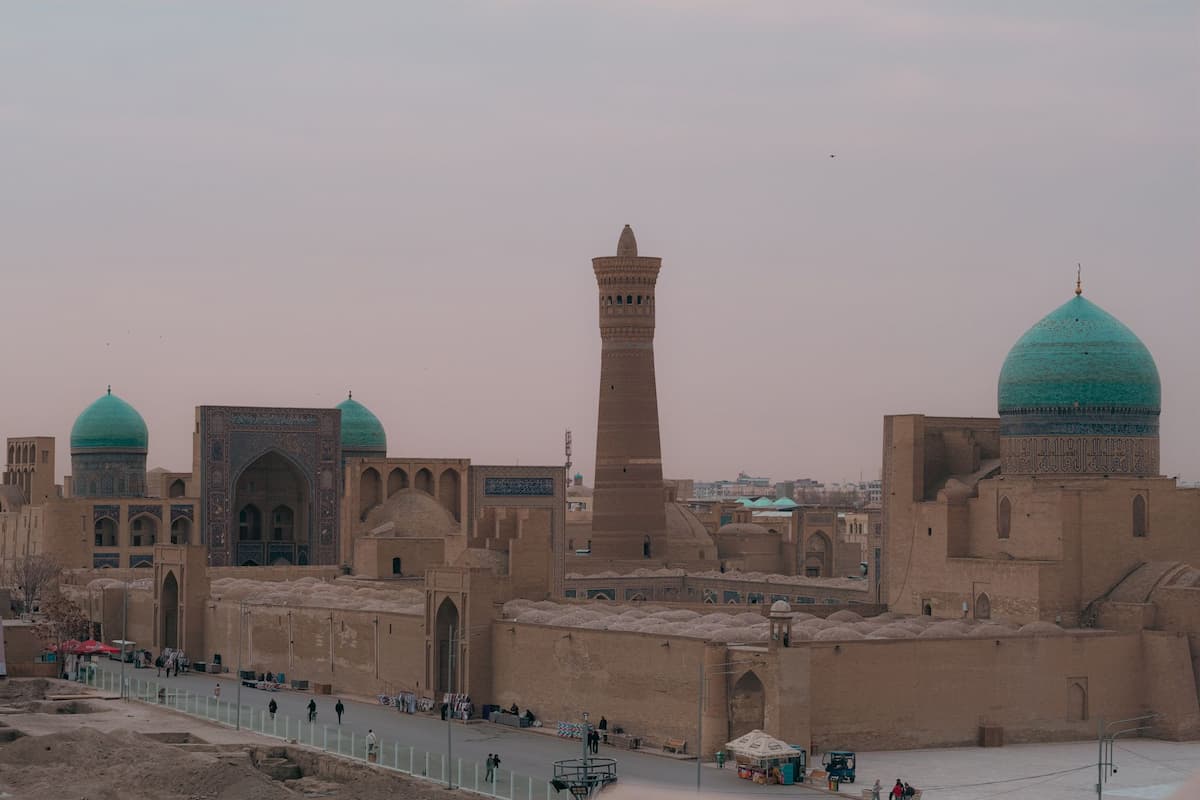
The Naqshbandi Sufi Order, founded by Hazrat Bahauddin Naqshband in Bukhara, flourished here alongside major spiritual hubs in Samarkand, Bukhara, and Herat, emphasizing silent dhikr (remembrance), disciplined spiritual practice, and scholarly engagement.
North and West Africa
(Regions: Morocco, Algeria, Tunisia, Mauritania, Senegal, Mali, Nigeria)
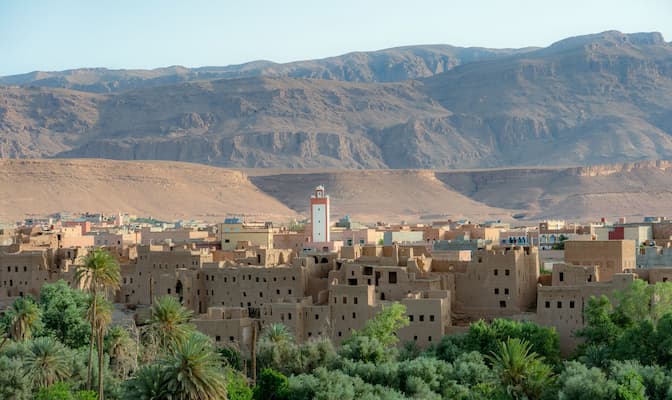
Prominent orders including Tijaniyya, Qadiriyya, and Shadhiliyya flourished here, led by saints like Hazrat Sidi Ahmed Tijani and Hazrat Sheikh Uthman dan Fodio. Major teaching centers included Fez, Timbuktu, Kano, and Tlemcen. In modern times, the Fez Festival of World Sacred Music continues this legacy, recognized by UNESCO in 2001 as one of the world’s most significant initiatives contributing to the dialogue of civilizations.
Europe: Spain and the Balkans
Sufism found a significant foothold in the Iberian Peninsula (Al-Andalus), blending with advanced sciences, philosophy, literature, architecture, and the arts. The region witnessed the rise of Hazrat Ibn Arabi of Murcia, one of the most influential Sufi philosophers in Islamic history, whose works on Wahdat al-Wujud (Unity of Being) profoundly shaped global Sufi thought.
China and the Far East
Sufism traveled eastward via the Silk Road, entering China primarily through Uyghur traders, Persian merchants, and Central Asian scholars. Sufi orders in China included the Gedimu (the oldest Muslim community in China), Jahriyya (vocal dhikr), and Khufiyya (silent dhikr). Yunnan and Xinjiang became important centers, with Sufi lodges (gongbei) established for teaching and communal gatherings.
The Spiritual Legacy of Sufism in the Indian Subcontinent
(Region: Modern-day India, Pakistan, and Bangladesh — A Civilizational Journey of Love, Tolerance, and Transformation)
Sufism arrived in the Indian subcontinent primarily through Central Asian and Persian routes, brought by saints, mystics, spiritual leaders, scholars, and merchants. Its arrival marked a profound civilizational transformation across South Asia, giving rise to a rich tradition of syncretic spirituality, flourishing devotional music forms like Sama and Qawwali, the evolution of vernacular literature infused with mystical themes, and artistic and architectural developments fusing Persian, Turkic, Central Asian, and Indian motifs.
Relevance of Sufism in the Indian Subcontinent
Sufism, the mystical and spiritual dimension of Islam, emphasizes inner purification, divine love, and a direct connection with God. In the Indian subcontinent, its influence extended far beyond theology, becoming a transformative force that profoundly shaped the region’s cultural, social, and artistic landscape.
Key Sufi Orders in the Indian Subcontinent
(Major Orders: Chishti, Qadiri, Suhrawardi, Naqshbandi)
Chishti Sufi Order (Chishtiyya)
Origin: Chisht, near Herat (present-day Afghanistan)
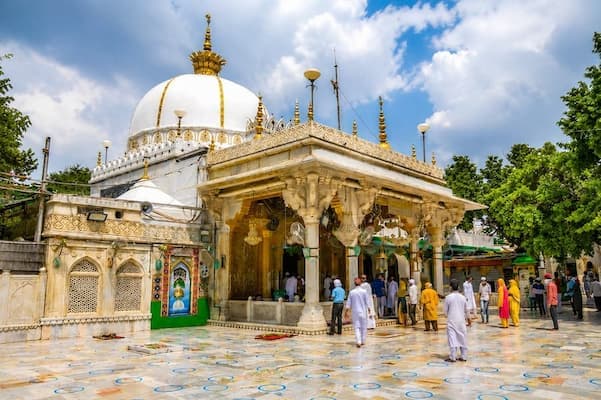
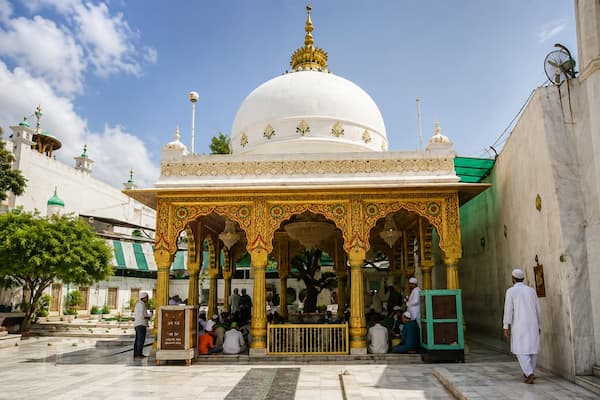
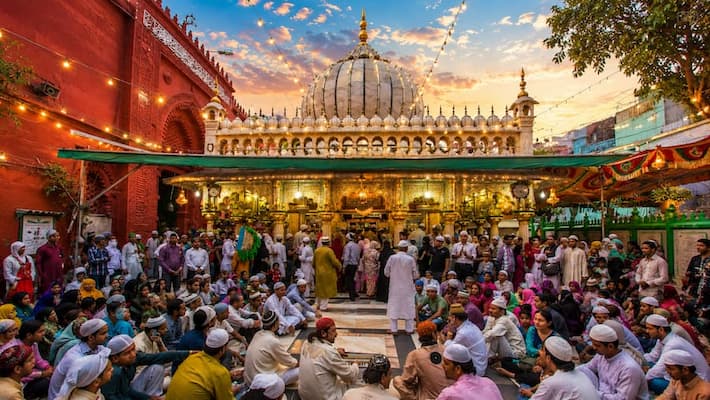
The Chishti Order was the most influential and widely followed Sufi order in the Indian subcontinent. Known for its message of love, tolerance, and service to humanity, the Chishtiyya played a transformative role in shaping the spiritual and cultural identity of India. It was founded in India by Hazrat Khwaja Moinuddin Chishti (Ajmer), with notable successors including:
-
Hazrat Khwaja Qutbuddin Bakhtiyar Kaki (Delhi)
-
Hazrat Nizamuddin Auliya (Delhi)
-
Hazrat Nasiruddin Chiragh Dehlavi, “Roshan Chirag-e-Dehli”
-
Hazrat Alauddin Sabir Kaliyari
-
Hazrat Bu Ali Shah Qalandar (Panipat)
-
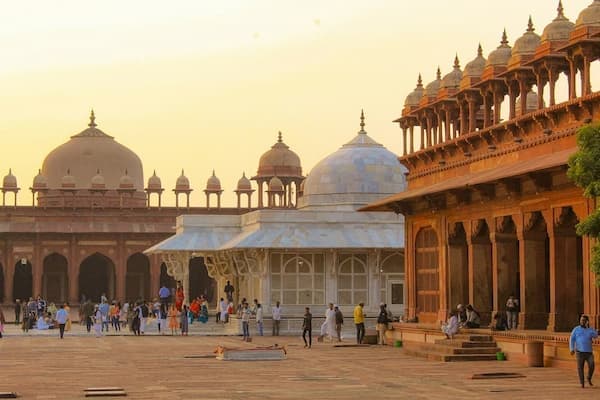
Hazrat Salim Chishti (Fatehpur Sikri)
Key Features of the Chishti Order:
-
Emphasis on universal love and inclusivity
-
Service to the poor and marginalized (langars, public welfare)
-
Use of music (Qawwali) and Sama for spiritual elevation
-
Deep respect for local cultures, languages, and customs
-
Major Centers: Ajmer, Delhi, Kaliar, Panipat, and Fatehpur Sikri
Suhrawardi and Qadiri Sufi Orders in India
The Suhrawardi Sufi Order was introduced to India in the 13th century by Hazrat Bahauddin Zakariya, emphasizing strict adherence to inner purification and spiritual discipline, gaining prominence in Delhi and Bengal.
The Qadiri Sufi Order, founded by Hazrat Abdul Qadir Gilani in Baghdad, spread to India in the 15th century, emphasizing devotion to God, love, tolerance, and social ethics. The order gained prominence in the Deccan, Punjab, and Delhi through saints like Hazrat Shah Niamatullah and Hazrat Shah Abdul Razzaq.
Naqshbandi Sufi Order in India
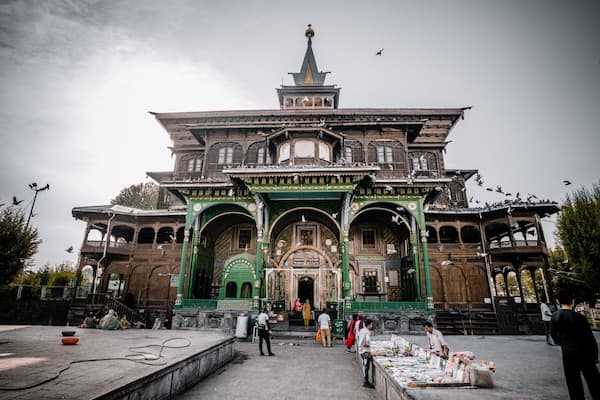
The Naqshbandi Sufi Order entered India in the 16th century through Hazrat Khwaja Baqi Billah, emphasizing silent dhikr, deep love, social service, and inner purification. Prominent figures like Hazrat Ahmad Sirhindi shaped Islamic revivalist thought, with key centers in Delhi, Kashmir, Punjab, and Lucknow.
Kubrawiyya Sufi Order in India
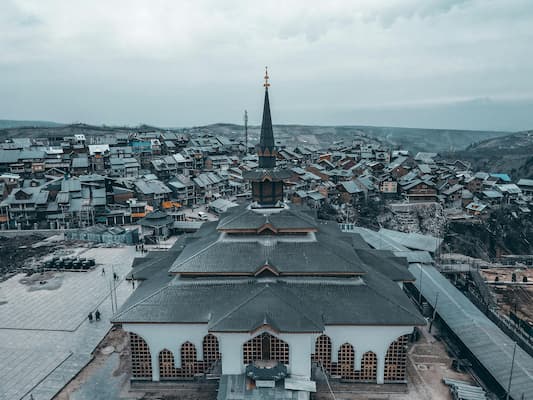
The Kubrawiyya Sufi Order, founded by Hazrat Najmuddin Kubra, is renowned for its focus on intellectual spirituality and theosophical depth. Its most distinguished representative in South Asia was Hazrat Mir Sayyid Ali Hamadani (Shah-e-Hamadan), who arrived in Kashmir in the late 14th century, where his peaceful teachings led to the systematic promotion of Sufi culture in the Kashmir Valley. He was not merely a Sufi saint but a civilizational architect of Kashmir, whose legacy lives on in the region’s faith, culture, language, crafts, and ethical consciousness.
Rishi Sufi Order — Indigenous to Kashmir
Founded by Hazrat Sheikh Nooruddin Noorani (Nund Rishi), the Rishi Order represents a uniquely Kashmiri expression of Sufism, blending Islamic spirituality with the region’s indigenous traditions. Nund Rishi is celebrated as the spiritual face of Kashmiriyat — the region’s shared ethos of communal harmony, resilience, and inner peace. Deeply influenced by Shaivism, Buddhist renunciation, and local mysticism, he emphasized vegetarianism, frugality, simplicity, and inner struggle, composing hundreds of Shruks — short, mystical Kashmiri poems filled with divine love and ethical teachings. He always advocated universal love, peaceful coexistence, and resistance to injustice and hypocrisy.

The Rise of Amir Khusrau
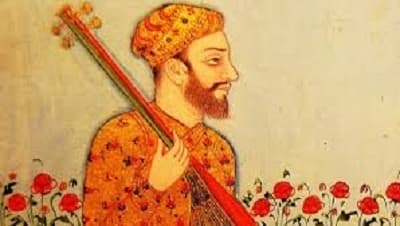
A devoted disciple of Hazrat Nizamuddin Auliya, Amir Khusrau — whose full name was Abul Hasan Yamin al-Din Khusrau — is universally revered as one of the greatest polymaths and Sufi poets in the Indo-Islamic tradition. Celebrated with the honorific “Tuti-e-Hind” (Parrot of India), his contributions transcended literary brilliance and entered the spiritual realm. His relationship with his Murshid, Nizamuddin Auliya, is often cited as one of the most spiritually rich and affectionate murid–murshid bonds in the annals of Indian Sufism.
Amir Khusrau was a multilingual literary genius, fluent in Persian, Hindavi, Braj, Rekhta, and the early dialects of Urdu, mastering genres including Ghazals, Qasidas, Rubaiyat, and Masnavis. His words wove together Persian sophistication, Indic expression, and spiritual longing, leaving behind a legacy that would define Indian Sufism for centuries.
Amir Khusrau — The Father of Qawwali and Indian Classical Music
Amir Khusrau is widely credited as the originator of Qawwali, synthesizing Persian-Arab musical theory with Indian ragas and laying the foundation of Indian classical music. He also introduced and popularized the Tarana — a fast-paced vocal form — and contributed significantly to the early development of the Khayal genre. For him, music was a sacred vehicle of divine love (Ishq-e-Haqiqi), and Sama (spiritual listening) was central to the Chishti tradition.
Enduring Legacy
Ameer Khusrau’s legacy resonates powerfully in modern times as a symbol of India’s cultural heritage. His pioneering contributions to Hindustani music, Urdu poetry, and the qawwali tradition continue to inspire artists, scholars, and spiritual seekers alike. Living traditions carrying his legacy include annual Urs festivals, Qawwali sessions, and classical music and dance performances.
In India, the Jahan-e-Khusrau Sufi Music Festival — founded by filmmaker Muzaffar Ali — is a globally acclaimed cultural festival celebrating the timeless spirit of Khusrau, held annually in Delhi and other cultural hubs, bringing together mystic voices from around the world to promote love, unity, and spiritual awakening through music.
Sufism’s living legacy continues to draw travelers from across the world to India’s most revered shrines. Discover this spiritual journey firsthand with our Ziyarat Tours India, visiting the dargahs of Hazrat Khwaja Moinuddin Chishti in Ajmer, Hazrat Nizamuddin Auliya in Delhi, and other sacred sites across the country. For a broader look at India’s architectural and cultural legacy, explore our Islamic Heritage Tours, or dive deeper into the pan-India story in our Islamic Heritage of India guide. To learn more about the cultural threads Sufism helped weave, discover our piece on Indo-Islamic Culture, or browse our full Halal holiday packages to start planning your own spiritual journey across India.