Islamic Heritage Tours India: A Journey Through India’s Timeless Legacy
India’s Islamic heritage spans over a millennium — visible not just in stone monuments, but in the arts, spiritual traditions, and cosmopolitan culture that define the nation today. From the imperial grandeur of Delhi’s Mughal past to the maritime Islamic roots of Kerala, Islamic Heritage Tours India take you through the country’s most significant mosques, shrines, and monuments, with halal-friendly comfort at every stop.
🕌 Delhi: The Imperial Capital
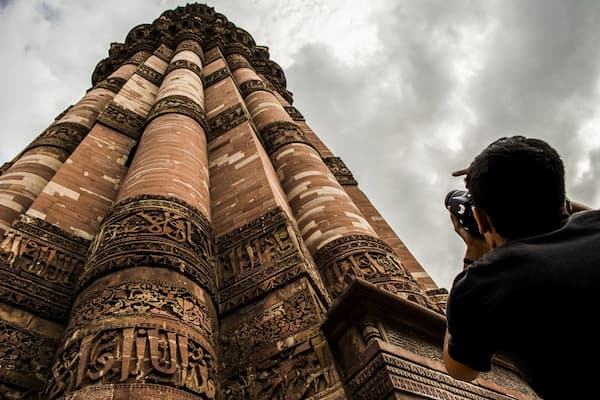
Delhi’s Islamic architecture spans centuries. The UNESCO-listed Qutb Minar Complex, including the early Quwwat-ul-Islam Mosque, marks the very beginning of Indo-Islamic architecture in India. In Old Delhi, the grand Jama Masjid anchors the historic lanes of Shahjahanabad, while the Dargah of Hazrat Nizamuddin Auliya remains a vibrant center of Sufi devotion, its air often filled with Qawwali music. Nearby, Humayun’s Tomb — a precursor to the Taj Mahal — showcases the elegance of early Mughal architecture.
🕌 Agra: The Epitome of Mughal Grandeur
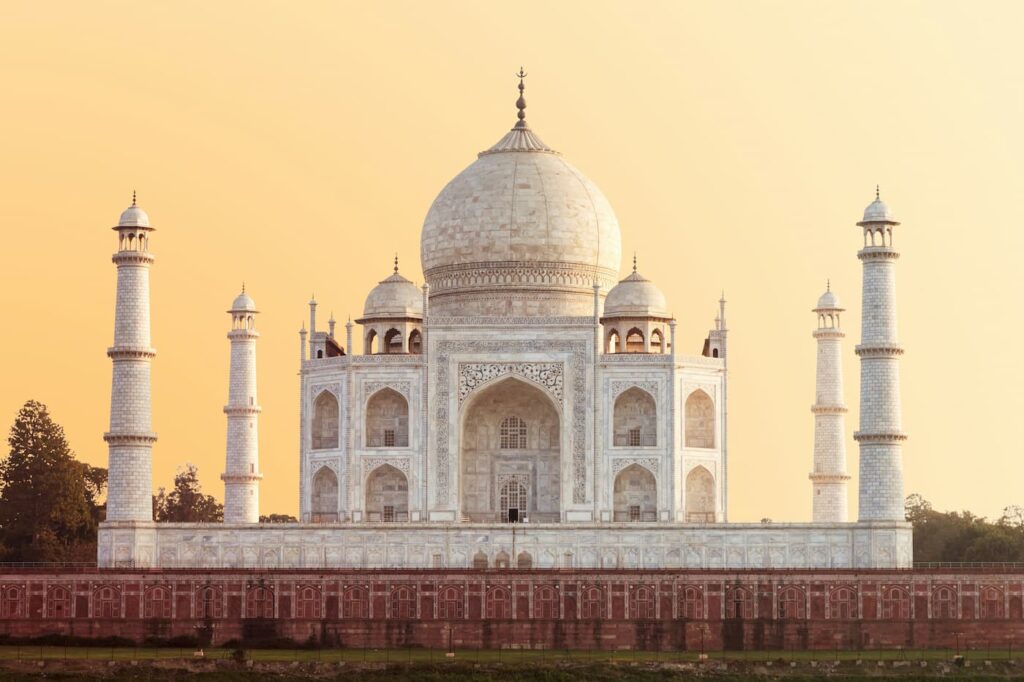
The Taj Mahal represents the zenith of Islamic art in India, its marble inlay craftsmanship (Pietra Dura) unmatched anywhere else. Agra Fort, a UNESCO site, houses palaces and mosques within its massive red sandstone walls, while the delicate Itimād-ud-Daulah — often called the “Baby Taj” — offers an intimate preview of the marble artistry that would later define the Taj Mahal itself.
🕌 Lucknow: The City of Nawabs
Lucknow’s Bara Imambara houses one of the world’s largest central halls and the famous Bhool Bhulaiyya labyrinth, while the adjacent Rumi Darwaza stands as a colossal symbol of Awadhi grandeur. The Chhota Imambara, adorned with chandeliers and intricate glasswork, reflects the city’s Indo-Persian artistic influence.
🕌 Hyderabad: The Deccan’s Regal Legacy
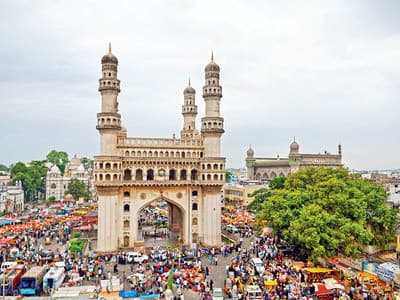
Hyderabad’s Islamic heritage blends Qutb Shahi and Nizami influences. The iconic Charminar anchors the old city, while Golconda Fort and the nearby Qutb Shahi Tombs showcase centuries of Deccan Islamic architecture. Mecca Masjid, one of India’s largest mosques, and the regal Chowmahalla Palace complete the city’s historic core.
🕌 Kashmir: Paradise on Earth
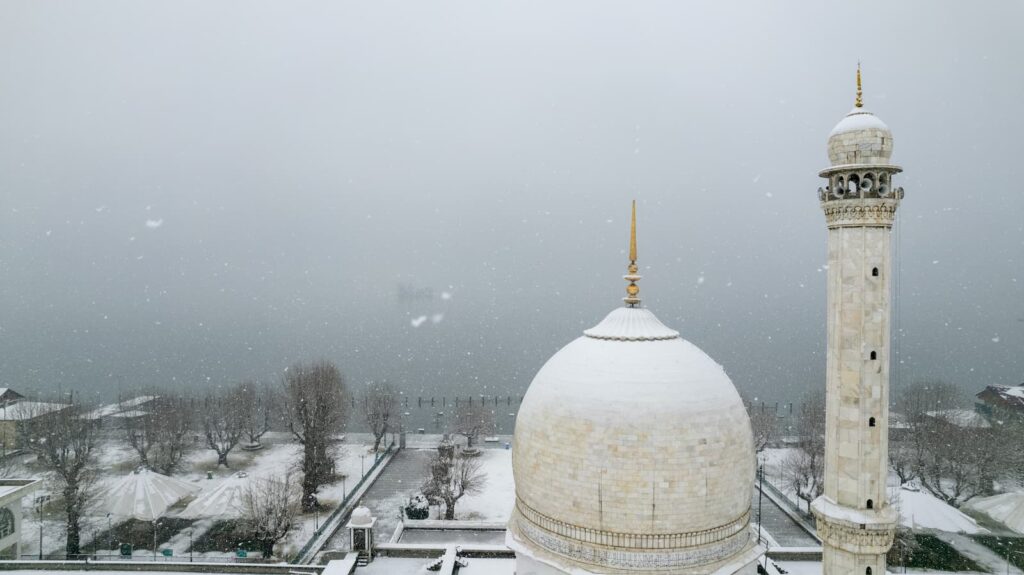
Kashmir’s Mughal gardens — Shalimar Bagh, Nishat Bagh, and Chashme Shahi — are sublime examples of Mughal landscape design. Srinagar’s grand wooden Jama Masjid and the revered Hazratbal Shrine, believed to house a relic of the Prophet (peace be upon him), anchor the valley’s deep spiritual heritage.
🕌 Ahmedabad: A UNESCO World Heritage City
Built by Sultan Ahmed Shah, Ahmedabad’s Jama Masjid is a striking example of Indo-Islamic architecture in yellow sandstone. The Sidi Saiyyed Mosque is famous for its intricately carved “Tree of Life” stone lattice window, while Sarkhej Roza’s mosque-and-tomb complex remains a major center of Sufi heritage in the region.
🕌 Kerala: India’s Ancient Maritime Islamic Legacy
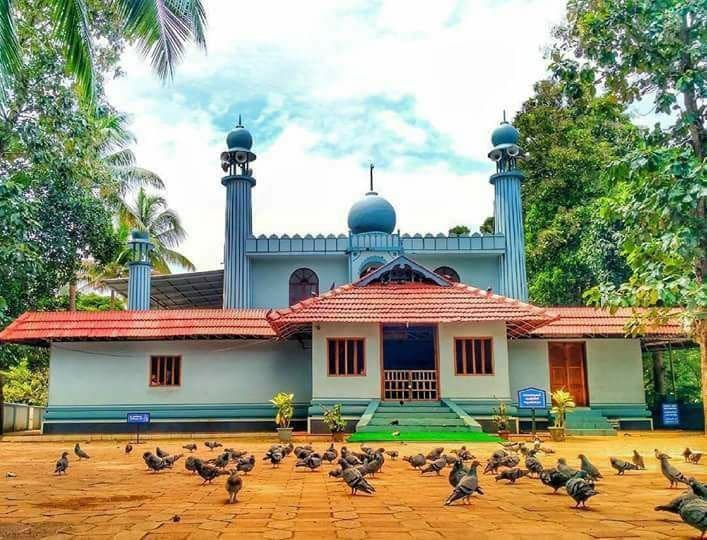
Kerala’s Islamic history predates the Mughal era entirely, rooted in centuries of Arab trade. Cheraman Juma Mosque in Kodungallur is widely believed to be India’s first mosque, its architecture blending traditional Kerala design with Islamic tradition. Mishkal Mosque in Kozhikode, a multi-storied wooden structure, reflects this same distinct regional style.
🕌 Rajasthan: The Land of Sufi Saints
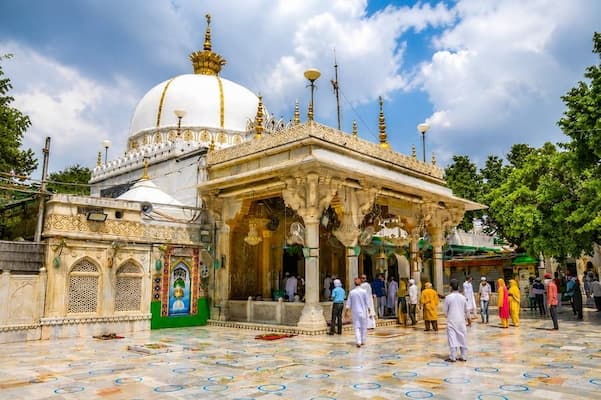
Ajmer Sharif Dargah, the shrine of Hazrat Khwaja Moinuddin Chishti, is one of India’s most significant Islamic pilgrimage sites, drawing millions to its annual Urs celebration. Nearby, Adhai Din Ka Jhonpra showcases some of India’s earliest Indo-Islamic architecture.
📿 The Spiritual Heartbeat: Sufism in India
India’s Sufi heritage is a story of love, peace, and harmony. Dargahs like Ajmer Sharif and Nizamuddin in Delhi remain living centers of faith, not just historic monuments. Attending an Urs celebration is a profound experience — a reminder of the universal message the Chishti order and other Sufi traditions carry to this day.
Why Choose Halal Trip India
Halal-certified hotels and dining throughout every itinerary
Prayer arrangements built into each day’s schedule
Expert guides with deep knowledge of history and architecture
Customizable itineraries for families, solo travelers, and groups
Frequently Asked Questions
What is the best time of year for an Islamic heritage tour in India?
October to March offers the coolest, most comfortable weather — and often coincides with the spiritual atmosphere of Urs celebrations at various Dargahs.
How does Halal Trip India ensure the trip is Halal-friendly?
We select halal-friendly hotels and dining, arrange prayer times at mosques or quiet spaces, and design itineraries that respect Islamic values throughout.
Are these tours suitable for families?
Yes — our tours are designed to engage all ages, with pace and activities tailored for families with children.
What should I wear when visiting mosques and heritage sites?
Modest, loose-fitting clothing covering shoulders and knees is recommended. Women should carry a headscarf for entering mosques and shrines.
How far in advance should I book?
We recommend booking at least 2-3 months ahead, especially during peak season or around major Sufi festivals.
Ready to explore India’s Islamic heritage in depth? Discover our specialized Ziyarat Tours India for a deeper spiritual journey to revered Dargahs, shrines, and Sufi sites across the country. Explore our full destination guides covering Delhi‘s Mughal monuments and Sufi dargahs, Agra‘s timeless Taj Mahal, Kashmir‘s Mughal gardens and historic mosques, Kerala’s ancient maritime Islamic legacy, Rajasthan‘s Sufi shrines and Ajmer Sharif, Ahmedabad‘s UNESCO-listed mosques, Mumbai‘s revered Haji Ali Dargah, and Hyderabad‘s Deccan Islamic heritage. Dive deeper into the pan-India story with our Indo-Islamic Heritage, Indo-Islamic Culture, and Indo-Islamic Architecture guides.