
Blog
Islamic Heritage of India: A Pan-India Historical Journey
India’s Islamic heritage is a story that spans the entire subcontinent — from the ancient shores of Kerala to the Mughal courts of Delhi, the sultanates of the Deccan, and the fusion architecture of Kashmir. Because this heritage stretches across nearly every region of the country, exploring it offers Muslim travelers a genuinely nationwide journey, rich with mosques, monuments, and living traditions still woven into daily life today.
The Arrival of Islam: Kerala’s Ancient Legacy
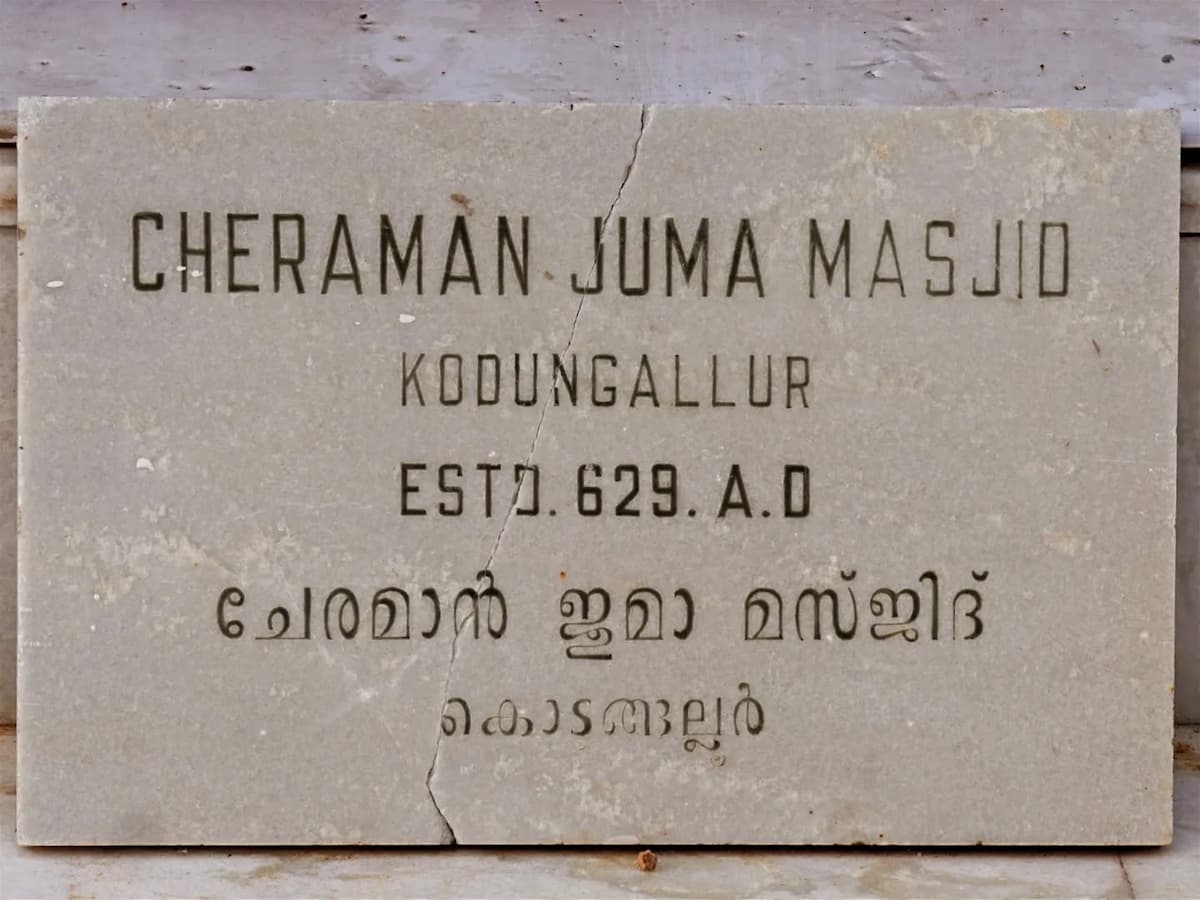
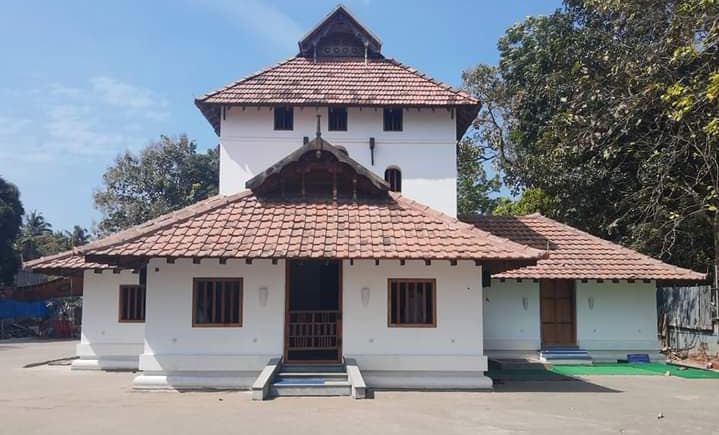
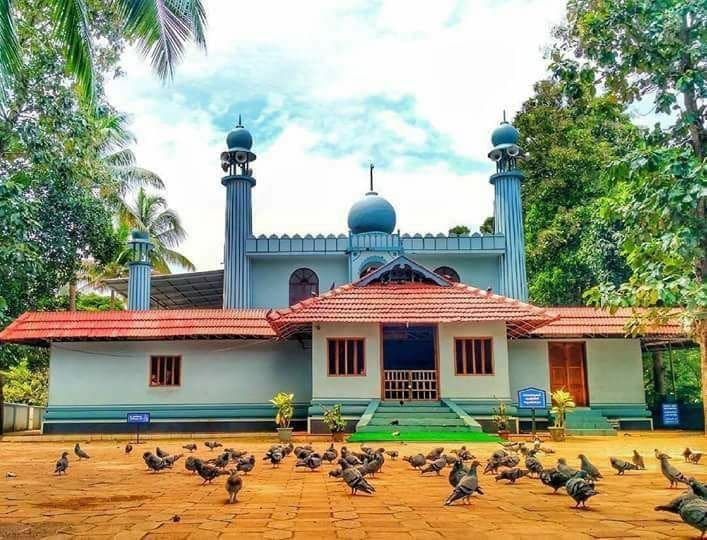
India’s Islamic story begins not in the north, but on the southern coast of Kerala. Arab traders frequented the Malabar Coast for centuries before Islam’s founding, forging early links with Southeast Asian ports. The Cheraman Juma Mosque in Kodungallur, believed to be the first mosque in the Indian subcontinent, was constructed in 629 CE by Hazrat Malik Ibn Dinar — built, remarkably, during the lifetime of Prophet Muhammad (peace be upon him). In addition, nearby Tamil Nadu and Karnataka hold their own early mosques — the Kodiakarai Mosque near Kayalpattnam (633 CE) and the Zeenath Baksh Juma Masjid in Mangalore (644 CE) — both reflecting a distinctive blend of Islamic and South Indian temple-style architecture. Islam also reached Lakshadweep by the 7th century, where today around 96% of islanders practice the faith. For example, exploring these southern sites offers Muslim travelers a rare glimpse into the very beginning of Islam’s journey in India, best combined with a broader Kerala Halal travel guide itinerary.
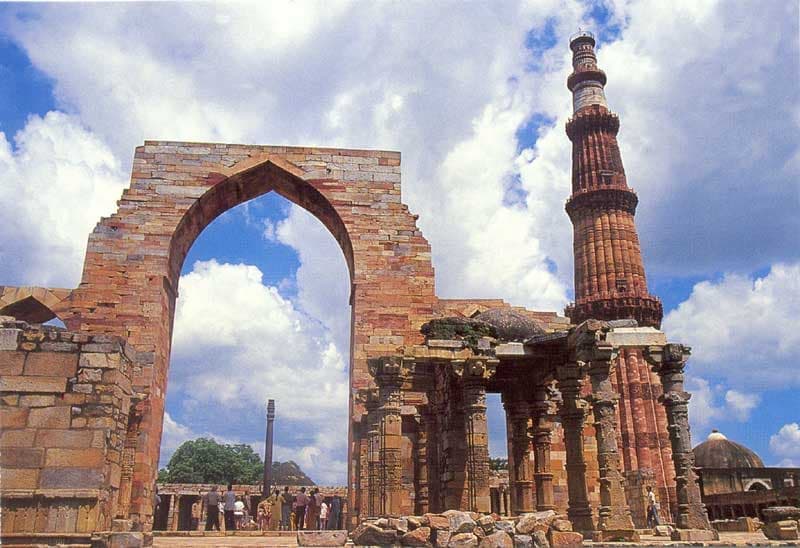
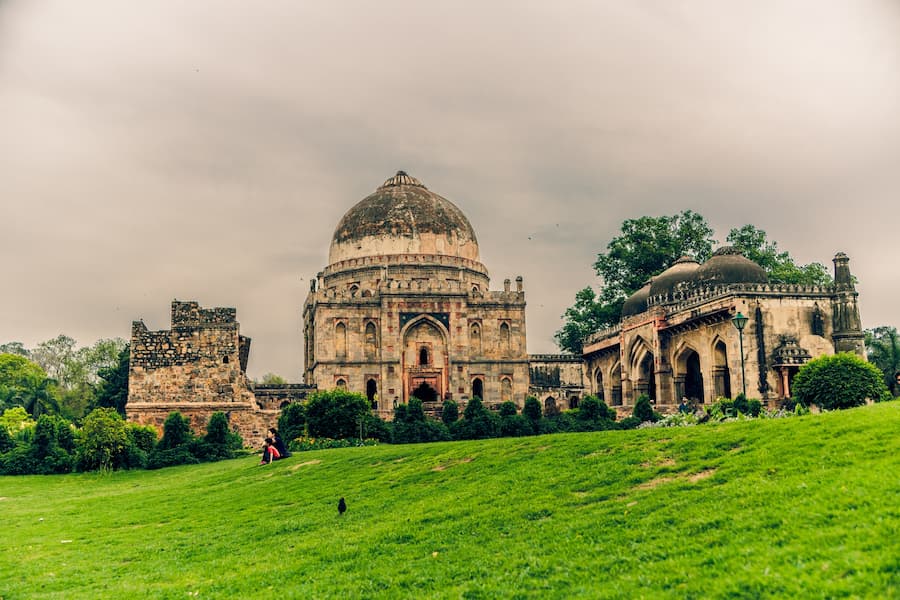
North India: The Delhi Sultanate Heritage
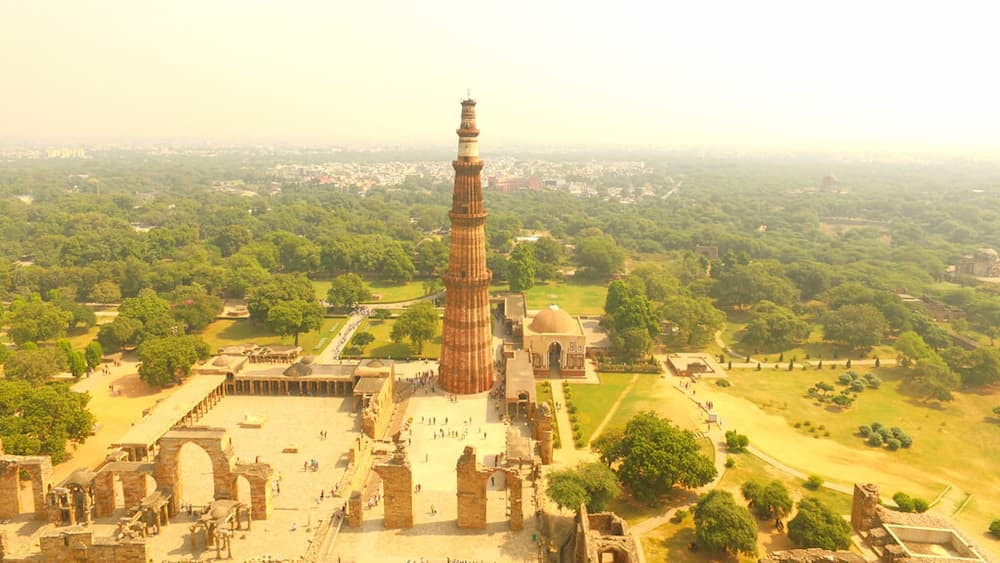
The Delhi Sultanate, established in 1206, ruled over Northern India for over three centuries, shaping the region’s earliest Indo-Islamic architectural legacy. Its most enduring monument is the Qutb Complex — a UNESCO World Heritage Site featuring the towering Qutb Minar, the tallest brick minaret in the world, and the Quwwat-ul-Islam Mosque, among the earliest surviving mosques in North India. For example, the Alai Darwaza, added later within the same complex, introduced the horseshoe arch to Indian architecture for the first time. This Delhi Sultanate heritage laid the architectural foundation that later Mughal builders would refine and expand upon across the subcontinent.
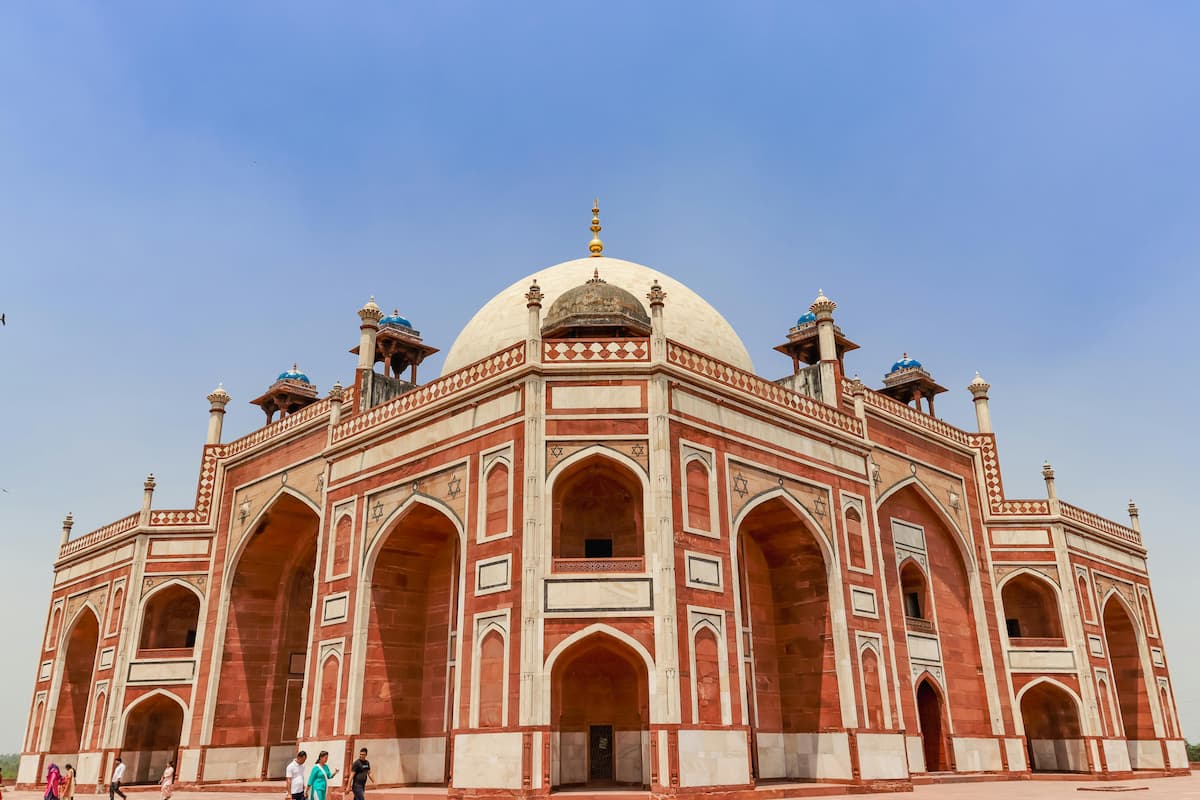
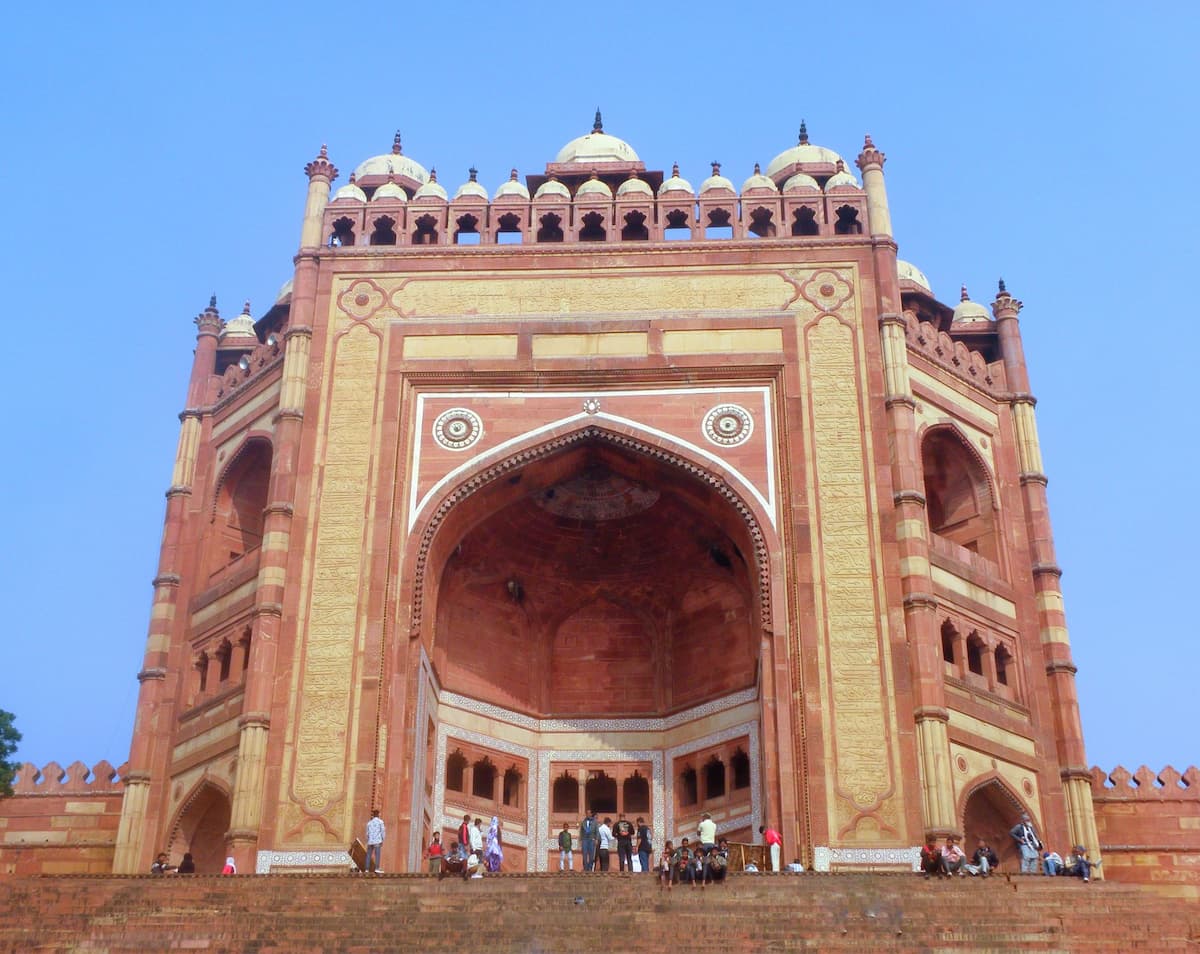
North India: The Mughal Empire’s Architectural Legacy
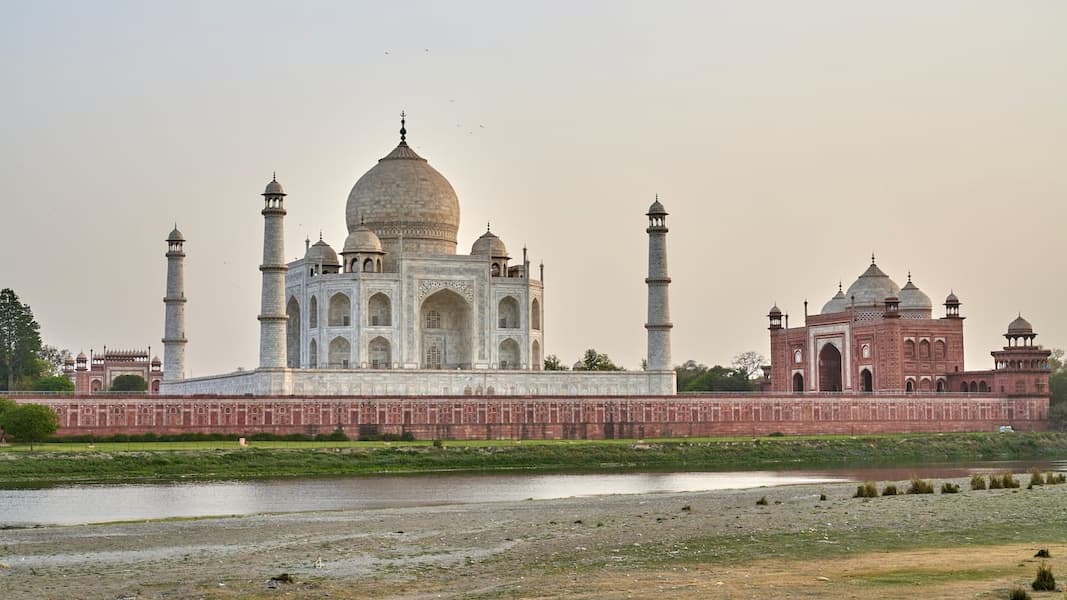
Following the Sultanate’s decline in 1526, the Mughal Empire rose to power, leaving behind India’s most iconic Indo-Islamic landmarks. Humayun’s Tomb, the first grand Mughal garden tomb and a UNESCO World Heritage Site, set the architectural template that would later inspire the Taj Mahal itself. In Agra, the UNESCO-listed Agra Fort and the incomparable Taj Mahal — built by Emperor Shah Jahan as a tribute to his wife Mumtaz Mahal — remain the crown jewels of Mughal architecture. In addition, Delhi’s Red Fort and the Jama Masjid, still the largest mosque in India today, showcase the empire’s imperial grandeur at its peak. Nearby, Fatehpur Sikri, the short-lived Mughal capital built by Emperor Akbar, remains a UNESCO-listed masterpiece of 16th-century urban planning. Explore this Mughal heritage circuit through our Delhi, Agra, and Golden Triangle destination guides.
Gujarat: Ahmedabad’s UNESCO Heritage
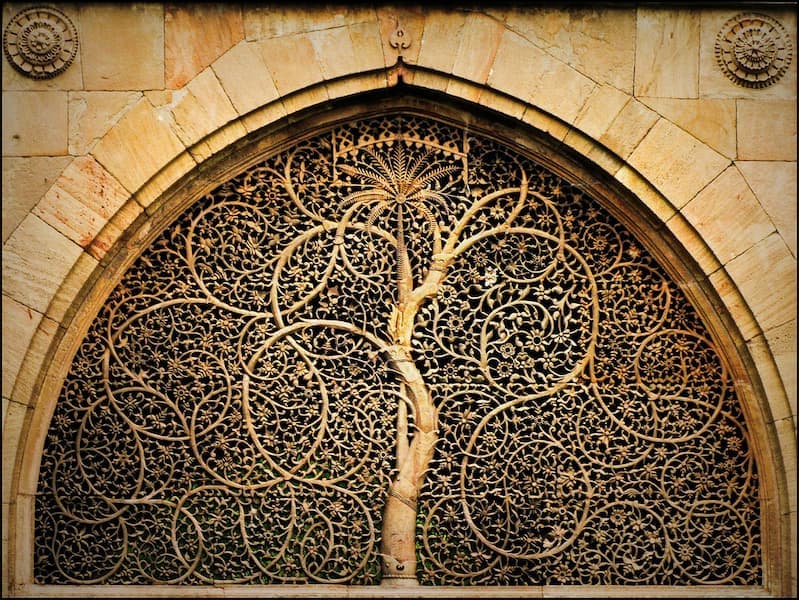
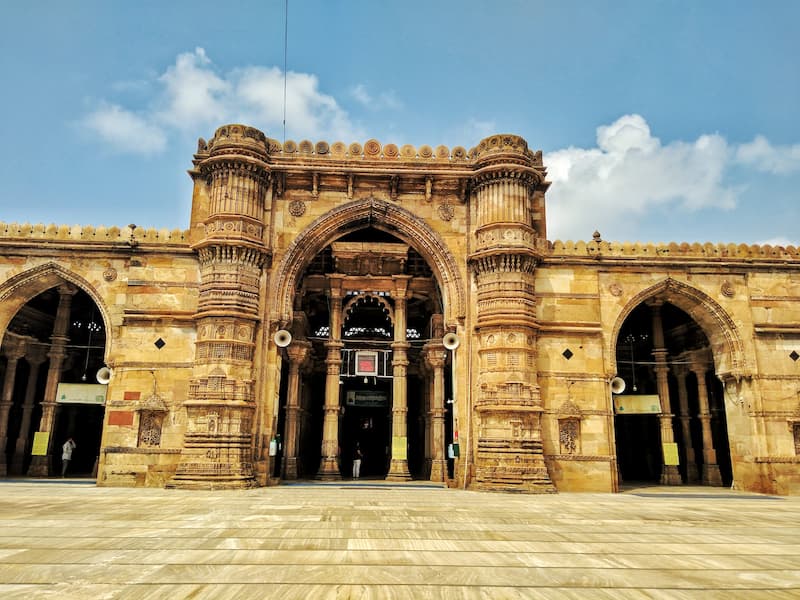
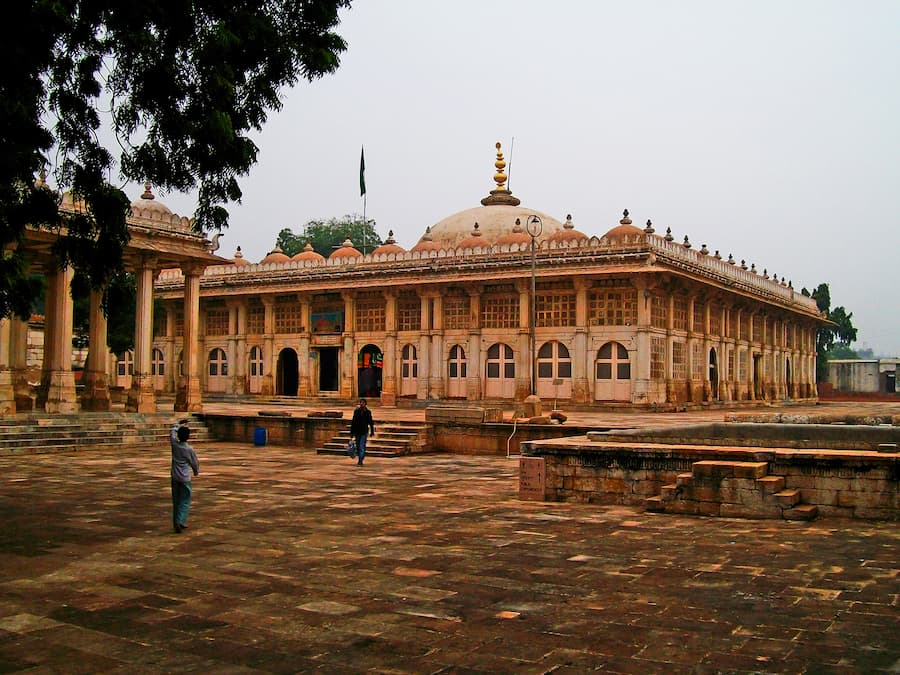
Ahmedabad, founded by Sultan Ahmed Shah in 1411, is India’s first UNESCO World Heritage City. Its Jama Masjid, built in yellow sandstone, remains one of India’s finest mosques, while the Sidi Saiyyed Mosque is famous worldwide for its intricate “Tree of Life” jali window. Nearby, the Sarkhej Roza complex — a mausoleum, mosque, and stepwell — once served as a retreat for Sufi saints, and the Champaner-Pavagadh Archaeological Park showcases a rare fusion of Islamic, Hindu, and Jain architectural styles. For example, a visit to Ahmedabad pairs history with genuine architectural wonder — explore our full Ahmedabad Halal travel guide for the complete experience.
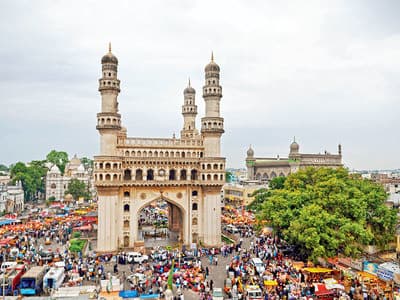
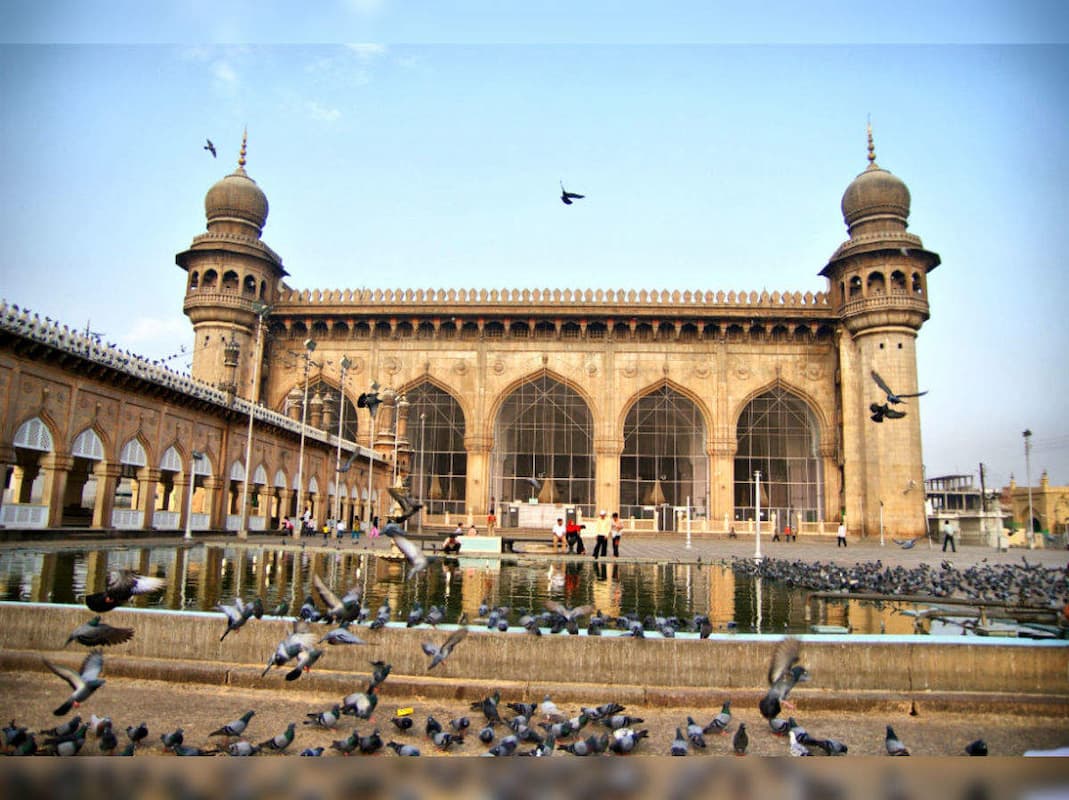
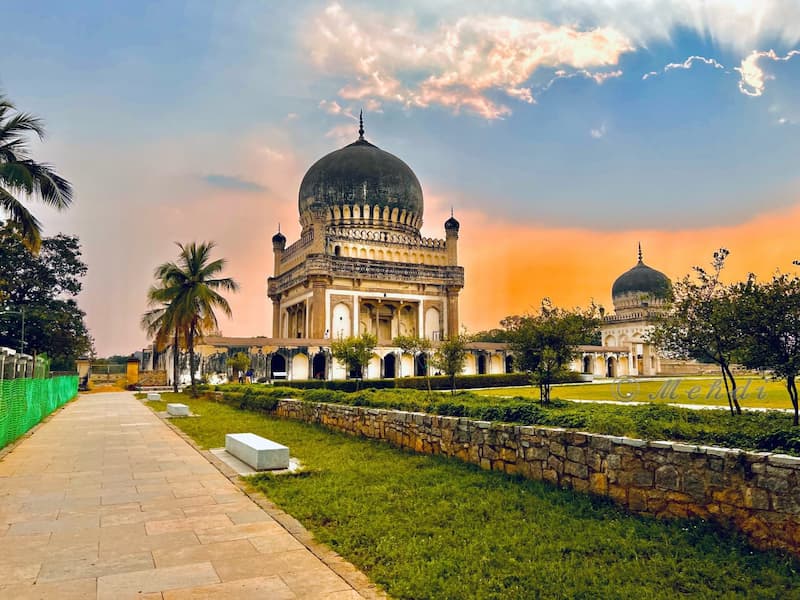
The Deccan: Hyderabad & the Sultanates
The Bahmani Sultanate, founded in the 14th century, later split into five Deccan sultanates — including the Qutb Shahi dynasty, whose legacy shaped Hyderabad’s iconic Charminar, Golconda Fort, and Mecca Masjid. Further south, Bijapur’s Gol Gumbaz holds the second-largest dome in the Islamic world, while Bidar Fort showcases exquisite Persian-style garden tombs. Because this region blended Turkish, Persian, and African influences into a genuinely cosmopolitan culture, it remains one of India’s richest Indo-Islamic heritage circuits — discover it fully through our Hyderabad Halal travel guide.
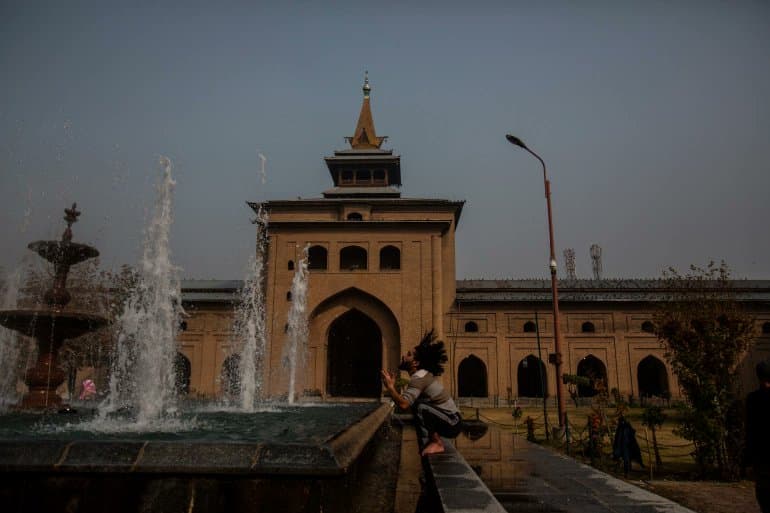
Kashmir: A Fusion of Persian & Indian Styles
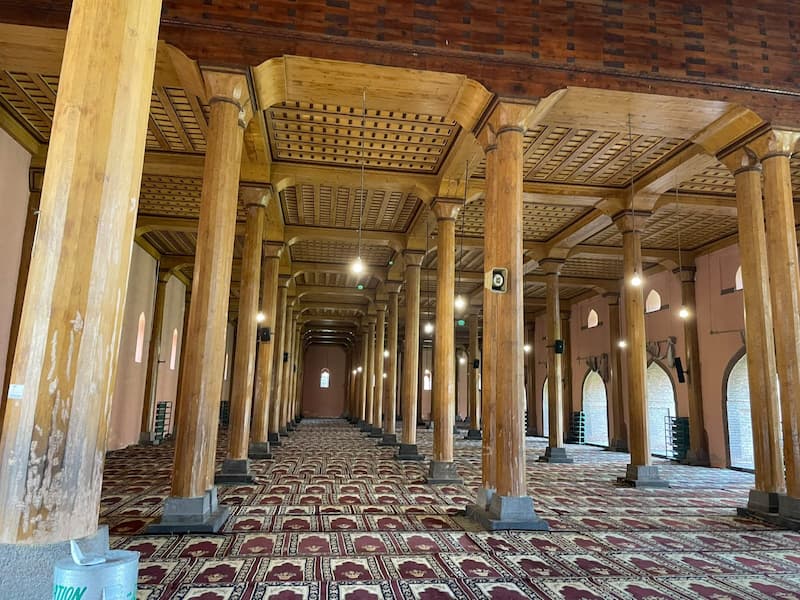
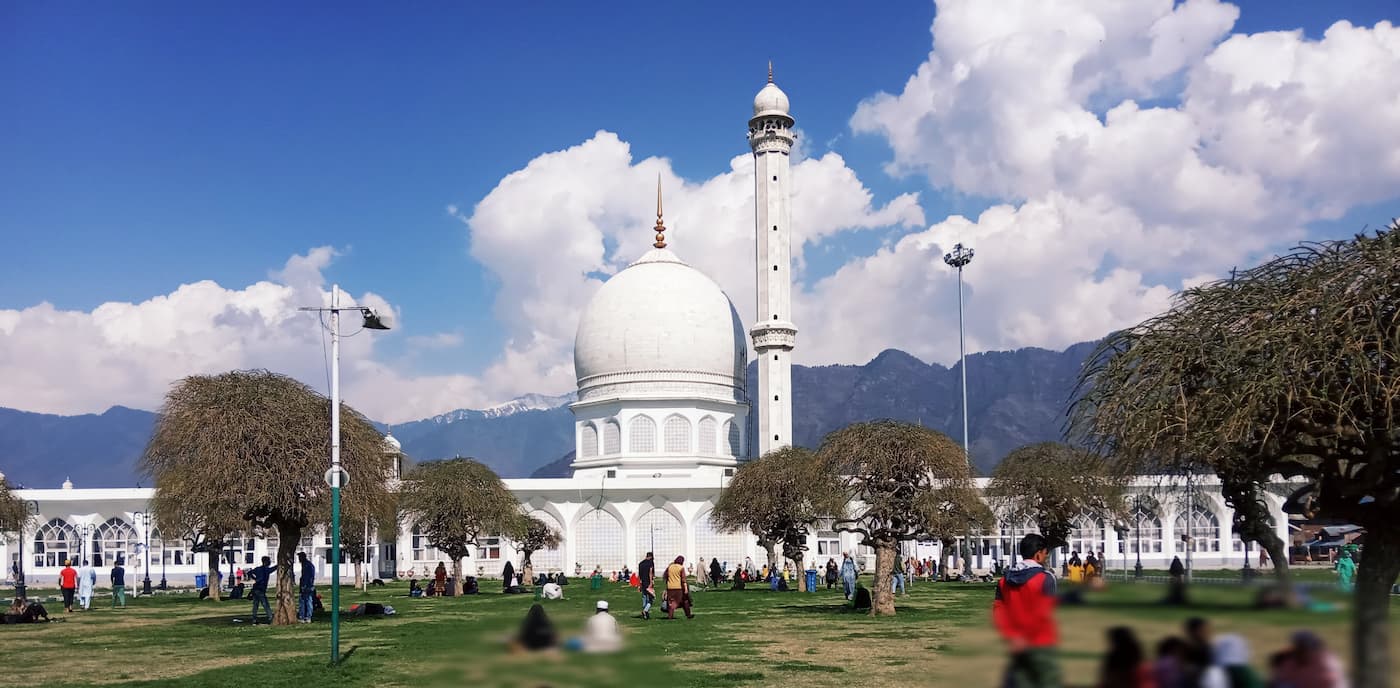
Islam arrived in Kashmir largely through the peaceful efforts of Sufi saints like Hazrat Bulbul Shah and Hazrat Mir Sayyid Ali Hamadani. Their influence shaped a distinctive local architecture — intricately carved wooden mosques and domed tombs blending Persian, Turkic, and native Kashmiri styles. The Jamia Masjid of Srinagar and the Khanqah-e-Moula shrine remain the region’s most significant examples. Explore this fusion firsthand through our Kashmir Halal travel guide.
Awadh: Lucknow’s Nawabi Grandeur
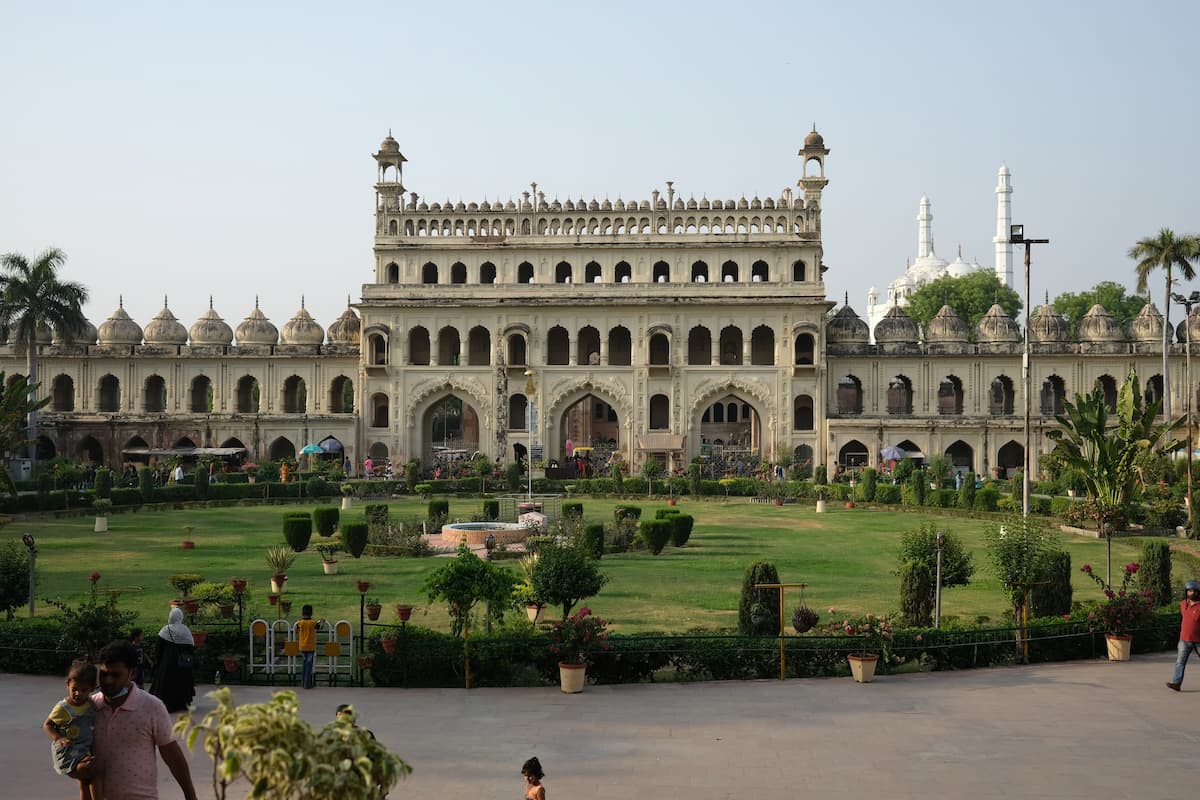
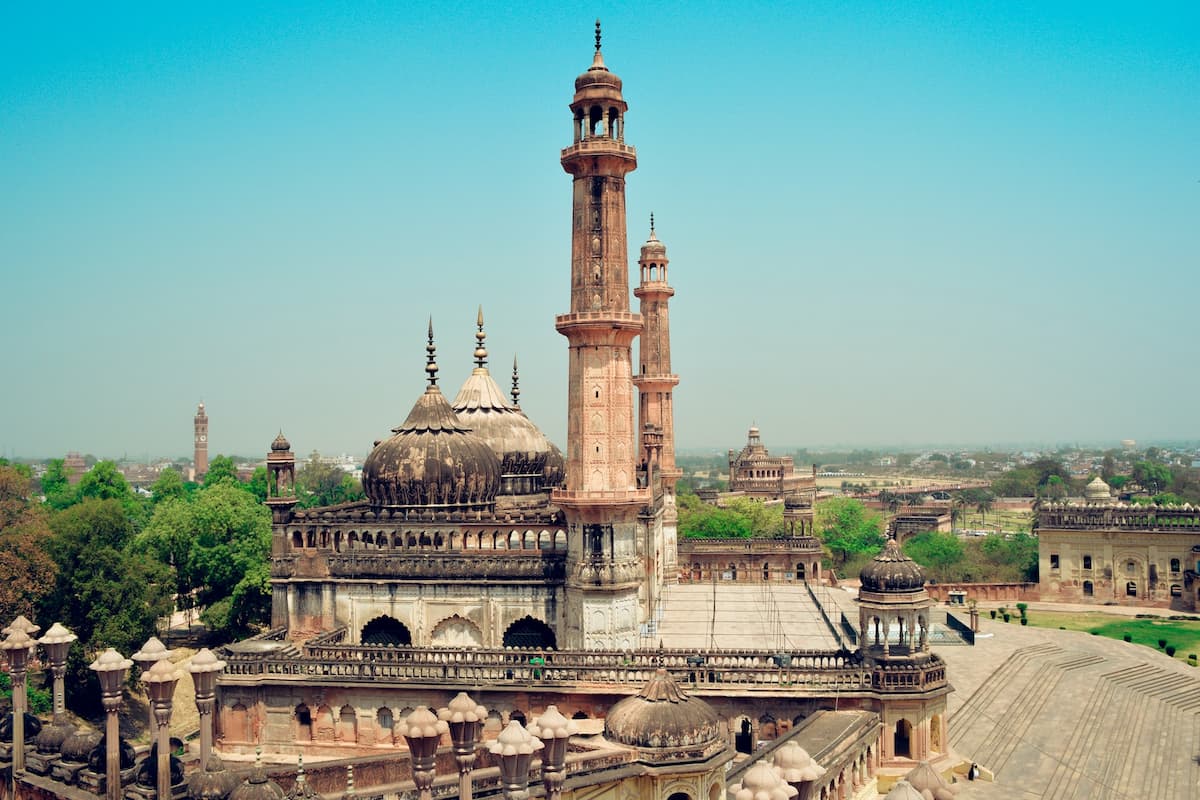
Lucknow, the capital of Awadh, earned its reputation as the “City of Nawabs” through centuries of Persian-Islamic-Indian cultural fusion. The Bara Imambara, with its famous Bhulbhulaiya labyrinth, and the towering Rumi Darwaza gateway remain the city’s most celebrated Indo-Islamic landmarks, alongside the delicately ornamented Chota Imambara.
Central India: Bhopal’s Begums
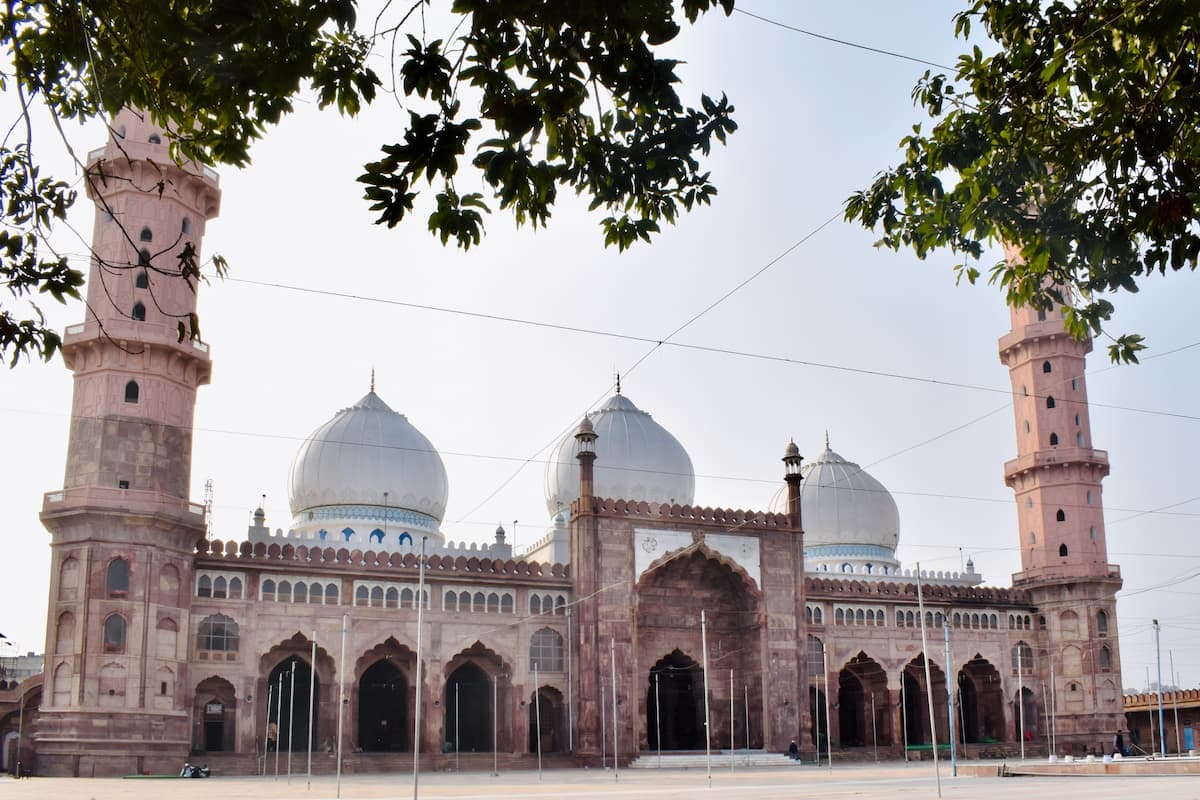
Founded in 1723 by Dost Mohammad Khan, Bhopal later flourished under a remarkable line of female Muslim rulers, the Begums of the Nawab dynasty. Their legacy includes the Taj-ul-Masajid — one of India’s largest mosques — and the ornate Shaukat Mahal, which blends Mughal, Gothic, and Hindu architectural elements into one striking structure.
Living Heritage: Sufism, Cuisine & Culture Today
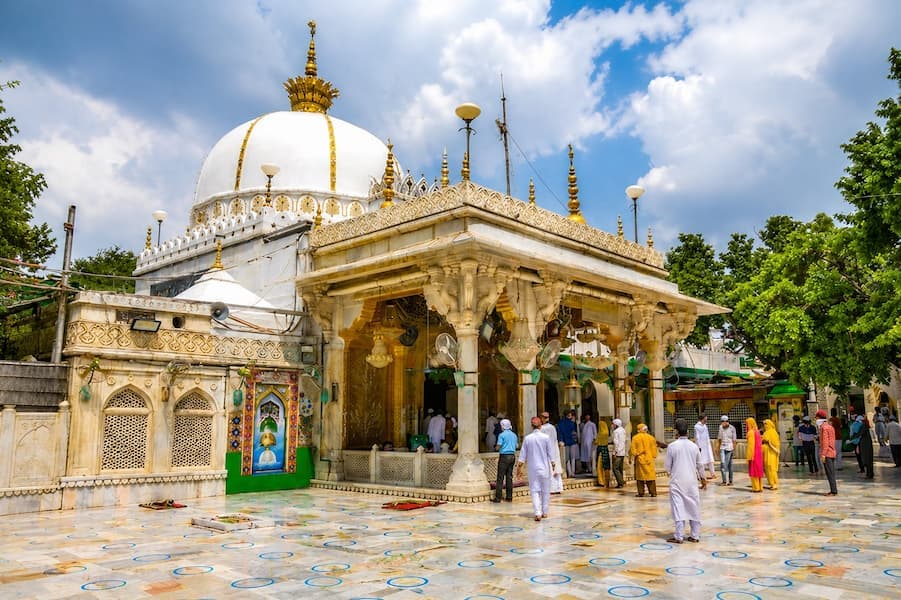
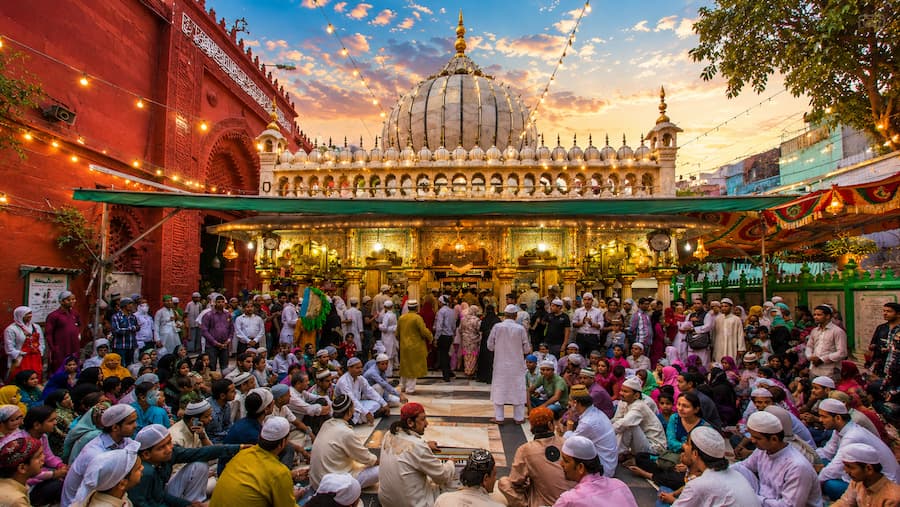
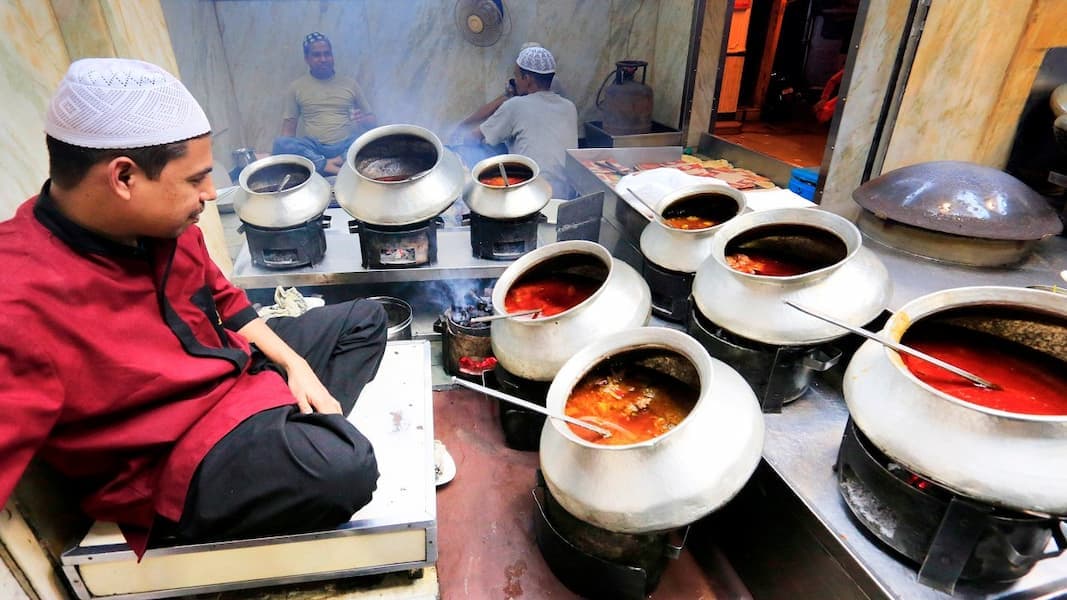
This history isn’t confined to museums — it’s a living tradition. Sufi orders like the Chishti, founded by Hazrat Khwaja Moinuddin Chishti, continue to draw millions of pilgrims to dargahs across the country, including the revered Dargah at Ajmer Sharif. Mughlai cuisine — rich biryanis, kebabs, and slow-cooked curries — remains beloved nationwide, while Qawwali music, still performed at shrines like Hazrat Nizamuddin Auliya’s dargah in Delhi, and Kathak dance carry this fusion heritage into contemporary life. For a deeper spiritual journey, explore our Ziyarat Tours India and History of Sufism in India.
Plan Your Indo-Islamic Heritage Tour
Whether you’re drawn to Kerala’s ancient mosques, Delhi’s Mughal grandeur, or Hyderabad’s Deccan legacy, Halal Trip India curates Muslim-friendly heritage tours across every region of this remarkable history. Explore our Islamic Heritage Tours covering mosques and monuments nationwide, perfect for families, couples, and heritage-focused travelers alike.
Frequently Asked Questions
What is the oldest mosque in India?
The Cheraman Juma Mosque in Kerala, constructed in 629 CE, is widely believed to be the first mosque built in the Indian subcontinent.
Which regions of India have the richest Islamic heritage?
Delhi and Agra (Mughal architecture), Hyderabad (Deccan sultanates), Ahmedabad (Gujarat Sultanate), Kashmir, Bhopal, and Lucknow all offer significant, distinct Islamic heritage sites.
Can I visit multiple Indo-Islamic heritage regions in one trip?
Yes — many travelers combine the Golden Triangle (Delhi, Agra, Jaipur) with Rajasthan, or pair Hyderabad with a Kerala backwaters trip, for a broader heritage journey.
Is this heritage relevant to Halal-friendly travel today?
Absolutely — these historic regions retain strong halal food traditions, accessible mosques, and Muslim-friendly hospitality, making them ideal destinations for family and honeymoon travel alike.
Discover more of India’s Indo-Islamic legacy with Halal Trip India — explore the living culture in our piece on Indo-Islamic Culture, the architectural wonders in Indo-Islamic Architecture, or browse our full destination guides to start planning your own pan-India heritage journey.