Blog
The History of Islamic Heritage & Halal Tourism in India
India’s connection to the Islamic world runs far deeper than many travelers realize — this is the history of Islamic heritage in India, a story spanning over a millennium, from ancient Arab trade routes to the grand monuments that define the country’s skyline today. Understanding this history is the key to understanding why Halal-friendly tourism thrives so naturally across India.
🕌 Arab Trade & the Arrival of Islam
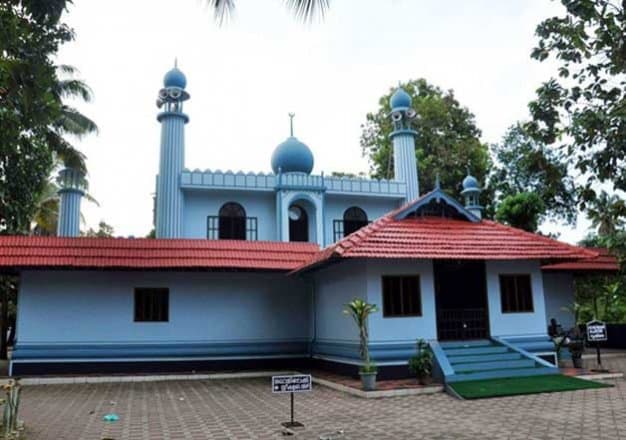
Trade relations between Arabia and the Indian subcontinent date back to ancient times, with Arab traders frequenting India’s coastal regions even in the pre-Islamic era, forging early connections with the ports of Southeast Asia. Notably, the Cheraman Juma Mosque in Kerala is believed to be the first mosque in the Indian subcontinent, constructed in 629 CE by Hazrat Malik Deenar — a historical link between Arabia and India that has left a lasting legacy in the region.
🏛️ Indo-Islamic Culture & Architecture
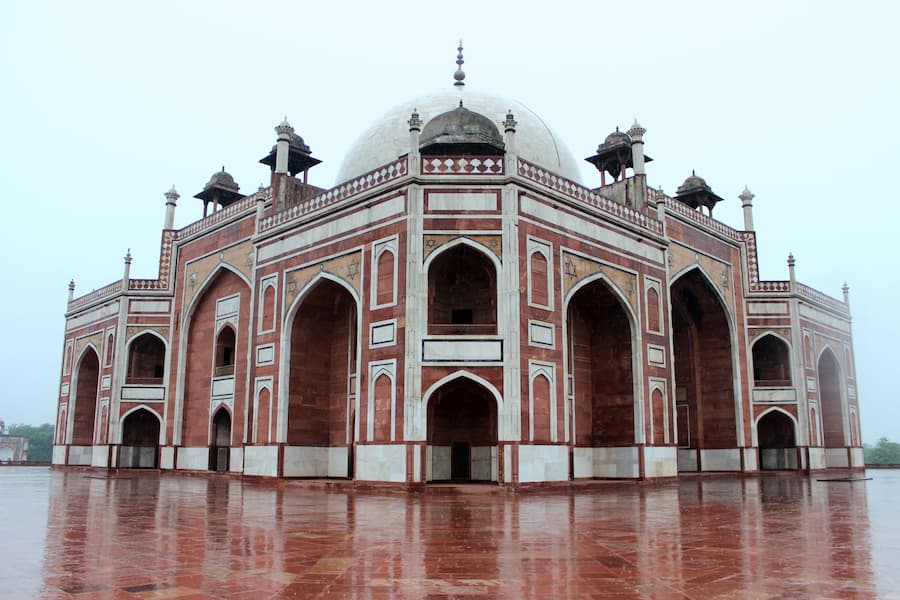
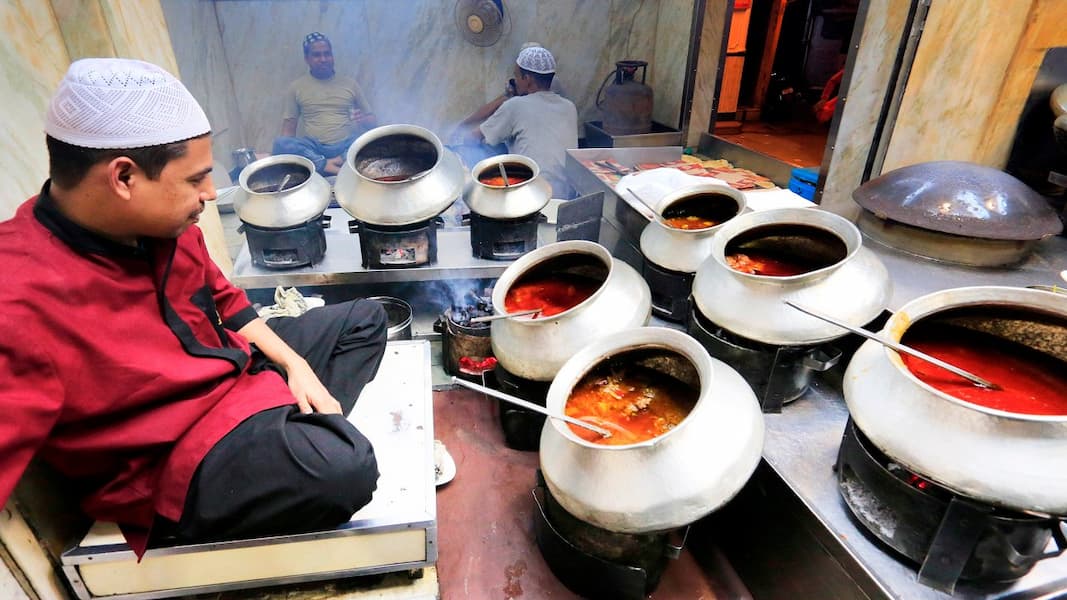
Centuries of migration by scholars, mystics, traders, and artisans into India gave rise to a rich fusion of traditions, art, and architecture. This exchange extended to the kitchen as well — Mughlai cuisine, with its rich biryanis, kebabs, and slow-cooked curries, stands as one of India’s most enduring examples of Indo-Islamic culinary heritage. This legacy is explored in depth in our dedicated pieces on Indo-Islamic culture, the region’s Indo-Islamic heritage, and the distinctive Indo-Islamic architecture that emerged from the Delhi Sultanate through the Mughal Empire — a style inspired by Persia, Arabia, and Central Asia, and still visible in India’s forts, palaces, and mausoleums today.
🕌 Sufism: The Spiritual Heart of Islamic India
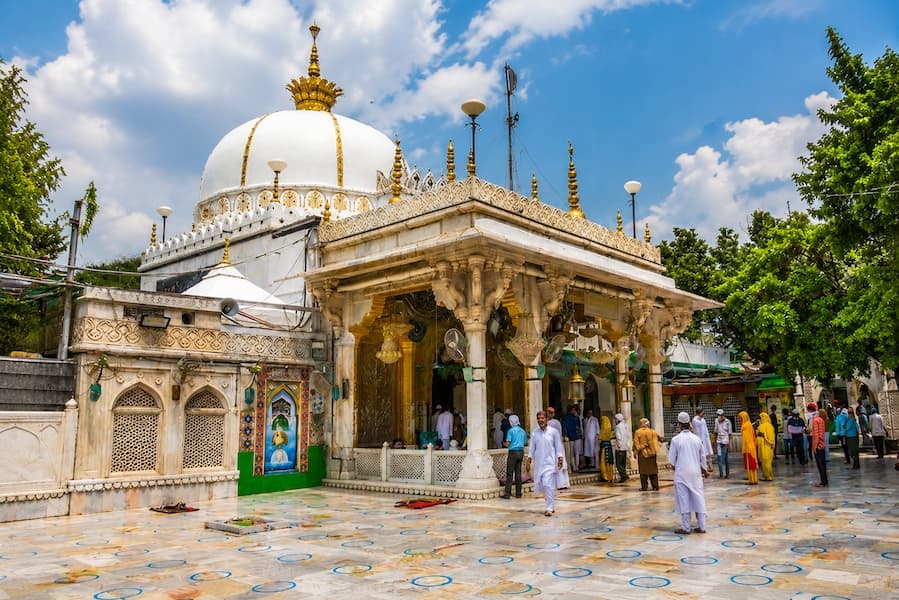
Alongside its architecture and cuisine, India’s Islamic heritage carries a profound spiritual legacy through Sufism — a tradition of saints, shrines, and devotion that continues to draw millions of pilgrims today. Dargahs like Ajmer Sharif and Nizamuddin in Delhi remain living centers of faith, not just historic sites. For a deeper look at this tradition, explore our History of Sufism in India.
🌍 A Living Heritage
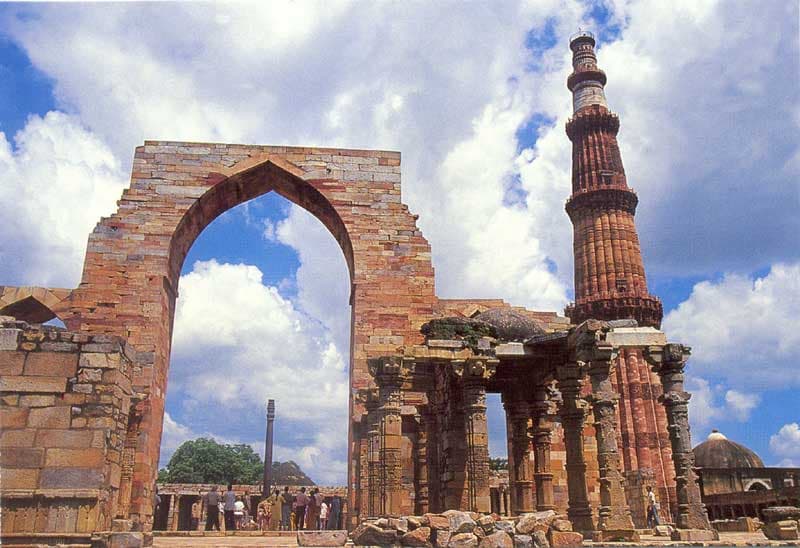
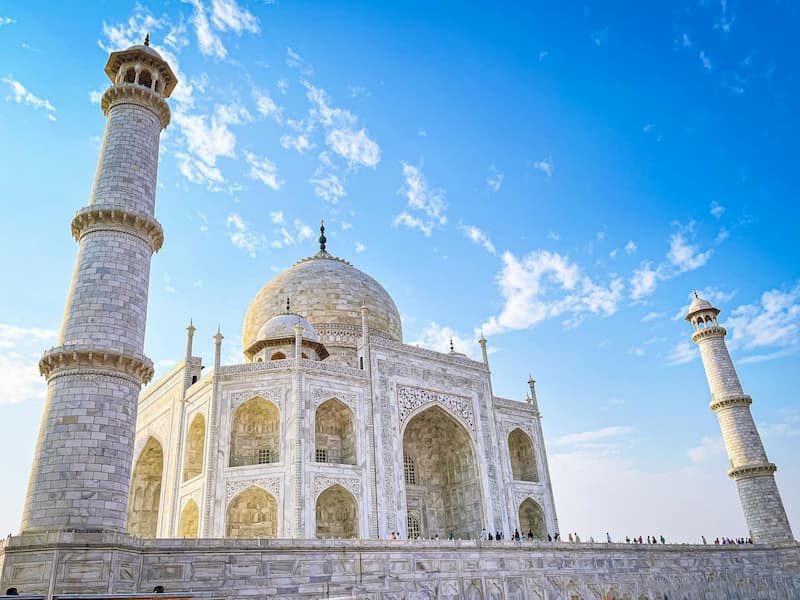
Today, India boasts approximately 42 UNESCO World Heritage Sites, many reflecting this rich Indo-Islamic legacy — from Delhi‘s Qutb Minar Complex to Agra‘s Taj Mahal, and the ancient Cheraman Juma Mosque in Kerala. With over 200 million adherents, Islam is India’s second-largest religion, and India holds the distinction of having the largest Muslim-minority population in the world — a religious diversity woven deeply into the country’s cultural and social fabric.
Frequently Asked Questions
What is Indo-Islamic architecture?
Indo-Islamic architecture is a distinct architectural style that emerged from the fusion of Persian, Arabian, and Central Asian influences with indigenous Indian traditions, spanning from the Delhi Sultanate through the Mughal Empire.
Which is considered the first mosque in India?
The Cheraman Juma Mosque in Kerala is widely believed to be the first mosque built in the Indian subcontinent, constructed in 629 CE by Hazrat Malik Deenar.
How many UNESCO World Heritage Sites does India have?
India has approximately 42 UNESCO World Heritage Sites, many showcasing the country’s rich Indo-Islamic architectural heritage.
How does this history connect to Halal tourism today?
India’s rich Islamic history has left behind mosques, monuments, and cultural traditions across the country, making halal food, prayer facilities, and Muslim-friendly hospitality a natural part of everyday life in many regions.
Discover more of India’s Islamic heritage with Halal Trip India — explore our Islamic Heritage Tours covering mosques and monuments nationwide, our Ziyarat Tours India for a deeper spiritual journey, or our full range of Halal holiday packages to start planning your next Muslim-friendly journey. Ready to explore India’s destinations for yourself? Browse our full destination guides covering Kashmir, Kerala, Rajasthan, and the historic cities of the Golden Triangle.